
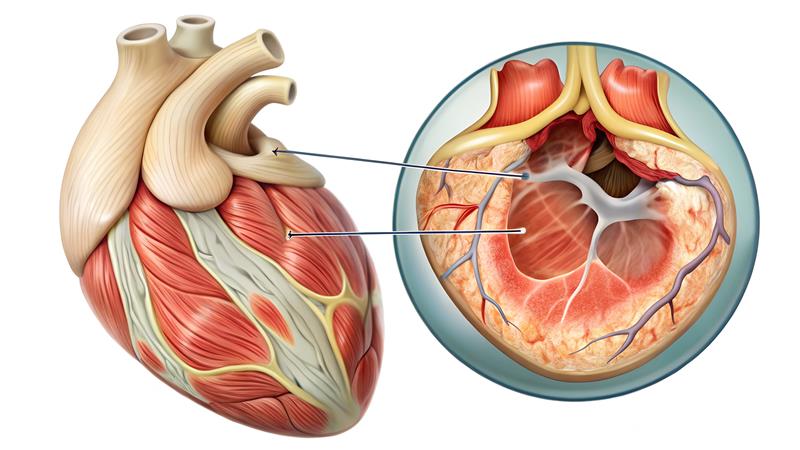
What is Pericarditis?
Pericarditis is a condition where the thin sac around your heart, called the pericardium, becomes inflamed. This sac helps protect your heart and keeps it in place. When it gets swollen, you may feel chest pain or discomfort. Often, pericarditis is mild and goes away with treatment. However, sometimes it can lead to more serious problems. According to the Centers for Disease Control and Prevention (CDC), pericarditis is one of the most common causes of heart inflammation. Early care can help prevent complications.
Causes of Pericarditis
There are many possible causes of pericarditis. Sometimes, doctors cannot find a clear reason. Still, knowing the common causes can help you understand your risk. For example, infections are a leading cause. But other factors can also play a role.
Although these are common causes of pericarditis, sometimes the exact reason remains unknown. The World Health Organization (WHO) notes that viral infections are the most frequent cause worldwide.
Symptoms of Pericarditis
Pericarditis symptoms can vary from person to person. Still, chest pain is the most common sign. You may notice the pain feels sharp or stabbing. Often, it gets worse when you take a deep breath or lie down. However, sitting up or leaning forward may help ease the pain. Other symptoms can also appear.
Because these symptoms can look like other heart problems, it is important to get checked by a doctor. Early diagnosis helps prevent serious issues.
Diagnosis of Pericarditis
Doctors use several steps to diagnose pericarditis. First, they will ask about your symptoms and health history. Next, they will do a physical exam. During the exam, your doctor may listen for a special sound called a “friction rub” with a stethoscope. This sound can suggest pericarditis. However, more tests are often needed to confirm the diagnosis.
Because pericarditis can look like other heart problems, these tests help your doctor make the right diagnosis. According to the American Heart Association, early diagnosis is key to good treatment.
When to See a Doctor
If you have chest pain, trouble breathing, or feel very weak, you should see a doctor right away. These symptoms can be signs of pericarditis or other serious heart problems. Quick care can help prevent complications.
Conclusion
Pericarditis is an inflammation of the sac around your heart. While it can be mild, it sometimes leads to serious issues. Knowing the causes, symptoms, and how doctors diagnose pericarditis can help you stay informed. If you notice any warning signs, do not wait. Consult a cardiologist for personalized advice about pericarditis.