Introduction
Many people think heart disease only affects older men. However, young women and heart disease is a growing concern. In fact, heart disease is the leading cause of death for women worldwide, according to the CDC and WHO. Sadly, many young women miss the early signs. Because symptoms can be subtle, they often go unnoticed. This blog will help you understand the hidden symptoms most young women ignore and why early action matters.
Overview of Heart Disease in Young Women
Heart disease includes problems with the heart and blood vessels. While it is common in older adults, it can also affect young women. In recent years, more young women have been diagnosed with heart problems. According to the CDC, about one in every five female deaths is due to heart disease. Yet, many young women do not realize they are at risk. Early awareness can help save lives.
Why Heart Disease is Often Missed in Young Women
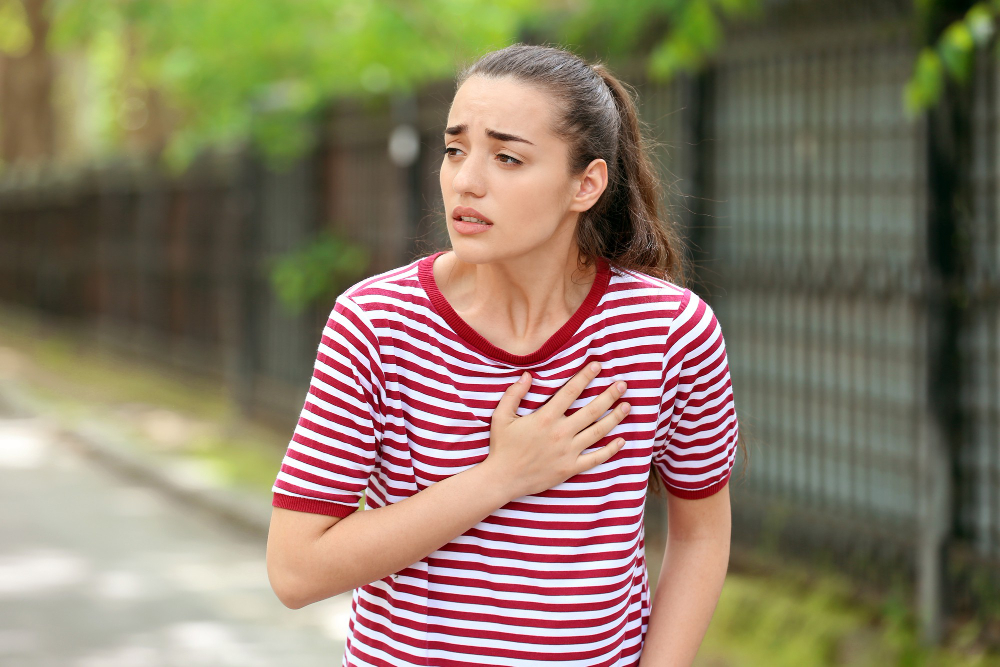
Often, doctors and patients do not expect heart disease in young women. Because of this, symptoms may be overlooked or mistaken for less serious issues. For example, chest pain in women may be mild or feel different than in men. Sometimes, women feel tired or have stomach pain instead. As a result, many young women do not get the right care in time. Early detection is key to better outcomes.
Hidden Symptoms Most Young Women Ignore
Many young women do not notice the early signs of heart disease. Some symptoms are easy to miss or blame on stress. However, knowing these signs can help you act quickly. Watch for these hidden symptoms:
Sometimes, these symptoms come and go. Still, if you notice any of them, it is important to pay attention. Early action can prevent serious problems.
Causes and Risk Factors Specific to Young Women
Several factors can raise the risk of heart disease in young women. Some are unique to women or more common in younger ages. For example, certain health conditions and lifestyle choices play a role. Here are some key risk factors:
Because some risk factors are silent, regular check-ups are important. Early changes can lower your risk.
How to Recognize Early Warning Signs
It is easy to ignore mild symptoms, but early warning signs matter. For instance, if you feel tired after simple tasks, take note. If you have chest pain, even if mild, do not ignore it. Also, pay attention to pain in your jaw, neck, or back. Sometimes, heart attack symptoms in young women are different from those in men. If you feel dizzy, sick to your stomach, or break out in a cold sweat, seek help. Remember, silent heart disease signs can be easy to miss.
Diagnosis: What to Expect
If you visit a doctor for heart symptoms, they will ask about your health and family history. Next, they may check your blood pressure, cholesterol, and blood sugar. Sometimes, you may need tests like:
Early diagnosis can help you get the right treatment. Do not be afraid to ask questions during your visit.
Prevention and Lifestyle Tips for Young Women
Good habits can lower your risk of heart disease. Even small changes make a big difference. Here are some women’s heart health tips:
Because prevention is easier than treatment, start healthy habits early.
When to Seek Medical Help
If you notice any unusual symptoms, do not wait. For example, sudden chest pain, shortness of breath, or fainting are emergencies. Call for help right away. Even if symptoms are mild, talk to your doctor. Early care can save your life. Remember, young women and heart disease is a serious issue, but you can take steps to protect your heart.
If you notice any unusual symptoms, consult a heart specialist for personalized advice.