
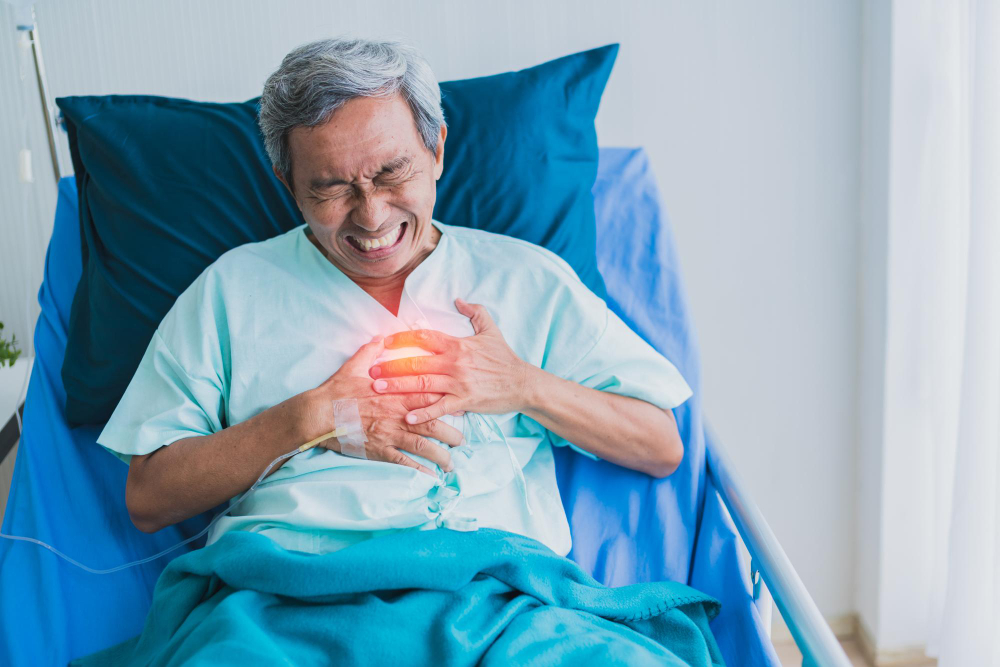
What is Cardiogenic Shock?
Cardiogenic shock is a serious condition where the heart cannot pump enough blood to meet the body’s needs. Because of this, organs and tissues do not get enough oxygen. As a result, cardiogenic shock is a medical emergency. It often happens after a severe heart attack. However, other heart problems can also cause it. Early treatment is very important for survival. According to the American Heart Association, quick care can improve outcomes.
Symptoms of Cardiogenic Shock
Recognizing the signs of cardiogenic shock can save lives. Although symptoms may vary, common warning signs include:
Sometimes, people may also feel dizzy or faint. If you notice these symptoms, seek emergency care for heart shock right away.
Causes and Risk Factors
Most often, cardiogenic shock happens after a major heart attack. But, other heart problems can also lead to this condition. For example, severe heart failure or heart valve disease may cause it. Additionally, some people are at higher risk. These risk factors include:
Because these risks add up, it is important to manage your heart health.
How Cardiogenic Shock is Diagnosed
Doctors use several tests to diagnose cardiogenic shock. First, they check your blood pressure and heart rate. Next, they may order blood tests to look for signs of heart damage. In addition, doctors often use these tests:
Early diagnosis helps doctors start the right treatment quickly. Because time is critical, emergency care for heart shock should not be delayed.
Treatment Options
Treating cardiogenic shock requires urgent medical care. Doctors focus on restoring blood flow and supporting the heart. Common cardiogenic shock treatment options include:
Sometimes, surgery may be needed to repair heart damage. Because every case is different, doctors choose the best treatment for each person.
Prevention and Lifestyle Tips
Although not all cases can be prevented, you can lower your risk. For example, healthy habits protect your heart. Try these tips:
Because prevention is key, regular check-ups help catch problems early.
When to Seek Medical Help
Cardiogenic shock is a life-threatening emergency. If you or someone else has signs of cardiogenic shock, call emergency services right away. Early treatment can save lives. Do not wait for symptoms to go away. Instead, act fast if you notice:
Because quick action is vital, always seek help if you suspect a heart problem.
Consult a cardiologist immediately if you suspect cardiogenic shock or need personalized advice.