
Introduction
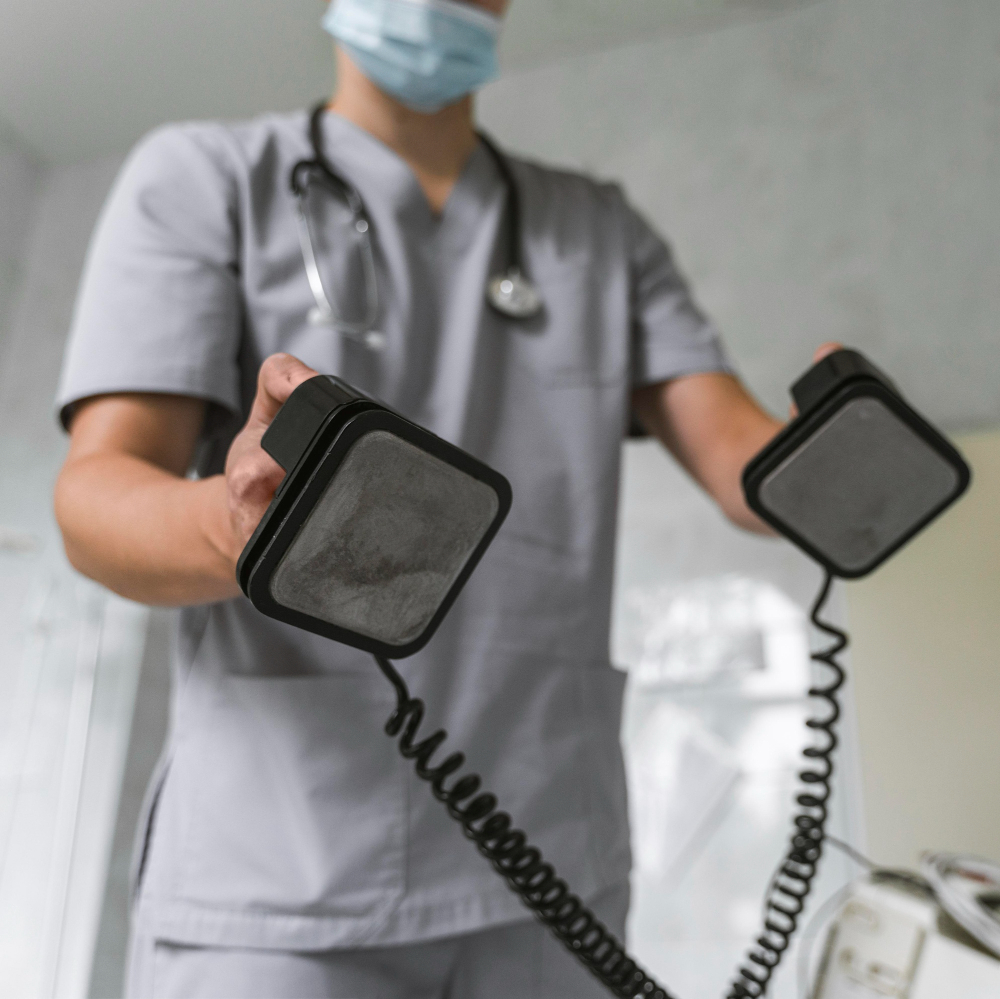
Defibrillation is a life-saving treatment used in emergencies when the heart stops beating normally. In many cases, it can restore a regular heartbeat and save lives. Because heart problems can happen suddenly, knowing about defibrillation is important for everyone. This blog explains what defibrillation is, how it works, when it’s needed, and what you can expect during the procedure.
What Is Defibrillation?
Defibrillation is a medical procedure that uses an electric shock to help the heart beat normally again. Usually, it is used when the heart is beating in a dangerous way or has stopped. There are different types of defibrillators, each designed for specific situations:
Each type helps restore a normal heartbeat, but they are used in different settings.
When Is Defibrillation Needed?
Defibrillation is needed when the heart has a dangerous rhythm or stops beating. For example, it is often used during cardiac arrest. Cardiac arrest means the heart suddenly stops pumping blood. Sometimes, it is also used for certain arrhythmias, which are irregular heartbeats.
Common causes include:
Warning signs that may suggest a problem include:
If you see these signs, call emergency services right away. Quick action can save a life.
How Does Defibrillation Work?
Defibrillation works by sending a strong electric shock to the heart. This shock stops the abnormal rhythm and gives the heart a chance to start beating normally again. Here is how the process usually goes:
During the procedure, safety is very important. For example, bystanders are told to stand clear before the shock is given. Defibrillation is very effective, especially when done quickly. In fact, early defibrillation can double or triple the chance of survival.
What to Expect During Defibrillation
During defibrillation, the person may be unconscious. Often, they do not feel the shock. If the person is awake, they may feel a brief, strong jolt. After the shock, medical staff will check the heart and provide care as needed.
Immediate aftercare may include:
Most people recover quickly, but some may need more treatment in the hospital.
Prevention and Lifestyle Tips
While defibrillation can save lives, it is better to prevent heart problems when possible. You can lower your risk by following heart-healthy habits. For example:
By making these changes, you can protect your heart and reduce the chance of needing defibrillation.
Frequently Asked Questions About Defibrillation
If you have concerns about your heart health or defibrillation, consult a cardiologist for personalized advice.