
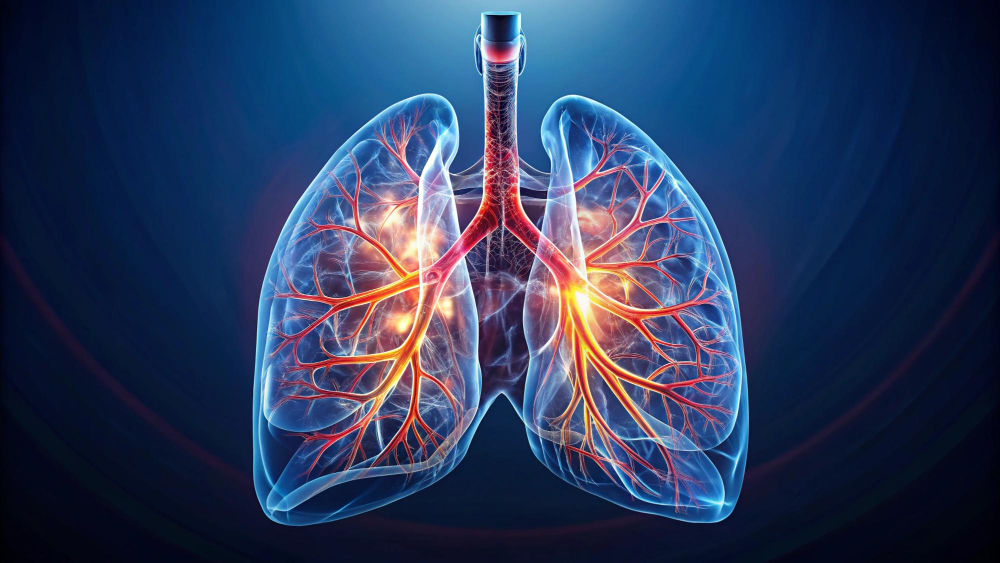
What is Pulmonary Hypertension?
Pulmonary hypertension is a serious health condition. It happens when the blood pressure in the arteries of your lungs becomes too high. Because of this, your heart has to work harder to pump blood through your lungs. Over time, this can lead to heart problems. Although anyone can get pulmonary hypertension, it is more common in adults. According to the World Health Organization (WHO), early detection is important for better outcomes.
Common Symptoms
At first, symptoms of pulmonary hypertension may be mild. However, they often get worse over time. Early signs can be easy to miss. For example, you might feel tired or short of breath. As the condition progresses, other symptoms may appear.
If you notice these symptoms, it is important to talk to your doctor. Sometimes, these signs can be mistaken for other health problems.
Causes and Risk Factors
There are many reasons why someone might develop pulmonary hypertension. Sometimes, the cause is unknown. However, several factors can increase your risk.
Because risk factors vary by region, people living in areas with high pollution or at high altitudes may have a higher risk. Knowing your risk can help you take steps to protect your health.
How Pulmonary Hypertension is Diagnosed
Doctors use several tests to find out if you have pulmonary hypertension. First, your doctor will ask about your symptoms and medical history. Then, they may perform a physical exam. If pulmonary hypertension is suspected, more tests will follow.
Because early diagnosis can improve treatment, it is important to see a doctor if you have symptoms. For more details, you can visit the CDC or WHO websites.
Treatment Options
Treatment for pulmonary hypertension depends on the cause and how severe it is. While there is no cure, many treatments can help manage symptoms and improve quality of life. Your doctor will create a plan that fits your needs.
Because each person is different, your doctor will monitor your progress and adjust treatment as needed. For more information about pulmonary hypertension treatment, consult a specialist.
Lifestyle Tips and Prevention
Although you cannot always prevent pulmonary hypertension, healthy habits can help manage symptoms and lower your risk. With the right steps, you can improve your quality of life.
Because prevention is key, talk to your doctor about ways to lower your risk. For those living with pulmonary hypertension, support groups can also be helpful.
When to See a Doctor
If you notice symptoms like shortness of breath, chest pain, or swelling, do not wait. Early treatment can make a big difference. Additionally, if you have a family history of pulmonary hypertension or other risk factors, regular check-ups are important. Always seek medical help if your symptoms get worse or if you faint. Your doctor can guide you on the next steps and help you manage your health.
Consult a cardiologist or healthcare provider for personalized advice about pulmonary hypertension.