
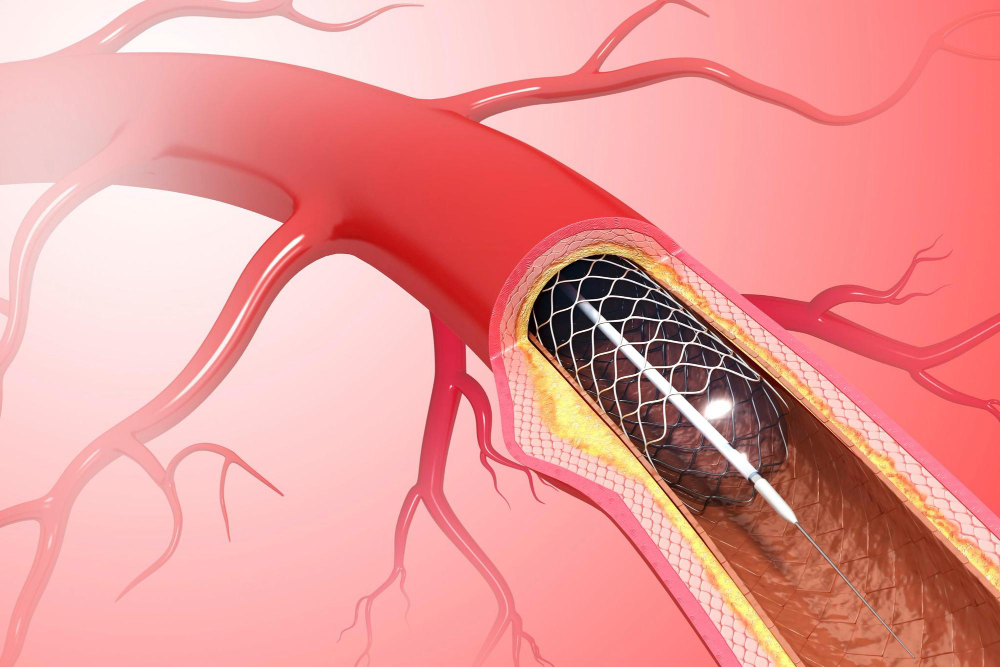
What is Angioplasty?
Angioplasty is a medical procedure that helps open blocked or narrowed blood vessels. These vessels carry blood to your heart. Often, doctors use angioplasty to treat heart problems caused by blocked arteries. In many cases, a small balloon is used to widen the artery. Sometimes, a tiny tube called a stent is placed to keep the artery open. Because angioplasty can quickly restore blood flow, it is a common treatment for heart attacks and chest pain.
Symptoms and Conditions Leading to Angioplasty
Many people need angioplasty because they have symptoms of heart disease. For example, you may notice:
Usually, these symptoms mean your heart is not getting enough blood. If you have these signs, your doctor may suggest tests to check your heart.
Causes and Risk Factors
Blocked arteries are the main reason for angioplasty. Over time, fatty deposits called plaque build up inside the arteries. This process is known as atherosclerosis. Several factors can increase your risk, such as:
Because these risks add up, it is important to manage your health early.
Diagnosis and When Angioplasty is Recommended
Doctors use several tests to find out if you need angioplasty. For instance, you may have:
If tests show a serious blockage, your doctor may recommend angioplasty. Sometimes, it is done right away during a heart attack. Other times, it is planned to prevent future problems.
The Angioplasty Procedure: Step-by-Step
Knowing what to expect can help you feel calm. Here is how a typical coronary angioplasty procedure works:
Usually, the whole procedure takes about one to two hours. Most people stay in the hospital overnight for observation.
Benefits and Effectiveness
Angioplasty offers many benefits. For example, it can:
According to the World Health Organization, angioplasty is safe and effective for many people. However, like any procedure, it has some risks. Your doctor will discuss the angioplasty risks and benefits with you before the procedure.
Recovery and Aftercare
After angioplasty, recovery time is usually short. Most people can walk within a few hours. However, you may need to rest for a day or two. Your doctor will give you instructions, such as:
Because everyone heals differently, follow your doctor’s advice closely. If you notice chest pain, swelling, or fever, call your doctor right away.
Prevention and Lifestyle Tips
Even after angioplasty, it is important to protect your heart. Here are some tips to help prevent future problems:
With these steps, you can lower your risk of another blockage.
Frequently Asked Questions (FAQs)
In summary, angioplasty is a safe and effective way to treat blocked arteries. It can quickly relieve symptoms and help you feel better. For personalized advice about angioplasty, consult a cardiologist.