
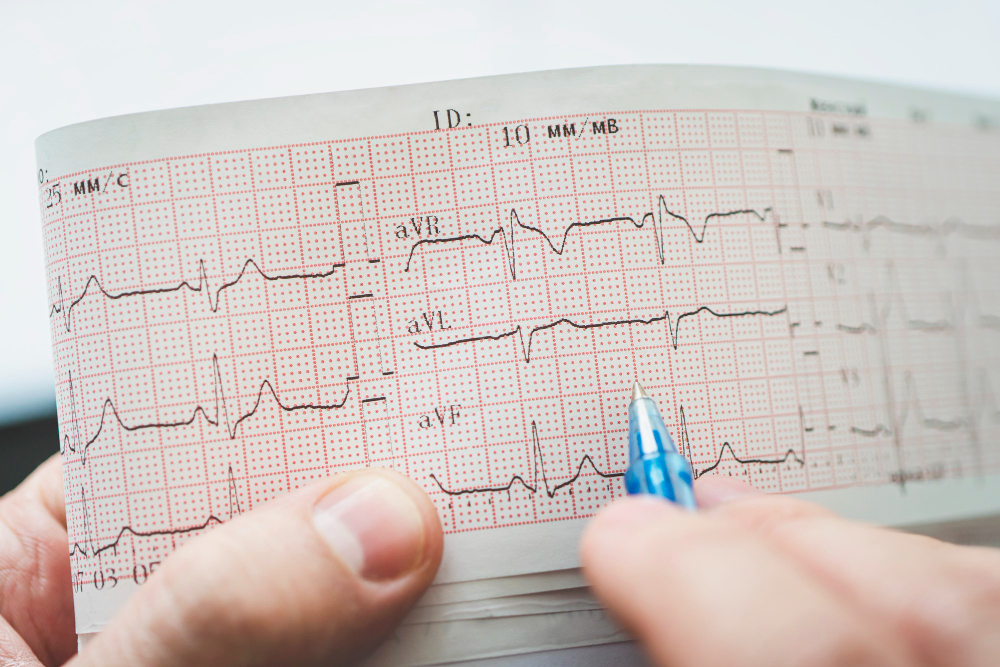
What is an Electrocardiogram (ECG)?
An electrocardiogram, also called an ECG or EKG, is a simple test. It records the electrical activity of your heart. Doctors use it to check how your heart is working. The ECG test is quick, safe, and painless. Many people have questions like, “What is electrocardiogram?” or “Is ECG safe?” This guide will help you understand the basics.
Why is an ECG Done? (Purpose and Common Indications)
Doctors order an ECG for several reasons. Often, it helps find heart problems early. For example, an ECG can show if your heart beats too fast, too slow, or unevenly. Sometimes, it helps spot signs of a heart attack. In addition, doctors use ECGs to check for:
Because it is quick and easy, the ECG test is common in clinics and hospitals.
How is an ECG Performed? (Step-by-step Procedure)
Many people wonder about the ECG test procedure. The process is simple and takes only a few minutes. Here is what usually happens:
During the test, you will not feel any pain. The patches may feel cool on your skin, but that is all.
What to Expect During and After the Test
Before the ECG, you may need to remove jewelry or wear a hospital gown. During the test, you should breathe normally and stay still. Moving can affect the results. After the test, the nurse will remove the patches. You can return to your normal activities right away. Usually, there are no side effects. If you have sensitive skin, you might notice mild redness where the patches were placed, but this fades quickly.
Understanding ECG Results (Basic Overview)
Doctors review your ECG results soon after the test. The ECG shows lines called waves. These waves help doctors see if your heart beats in a regular pattern. Sometimes, the doctor may spot signs of:
However, an ECG alone may not give a full picture. Your doctor may order more tests if needed. Always ask your doctor to explain your ECG results in simple terms.
Safety, Risks, and Limitations
Many people ask, “Is ECG safe?” The answer is yes. The ECG test is very safe. It does not use electricity or radiation. There are almost no risks. Rarely, some people may have mild skin irritation from the patches. However, the ECG has some limits. For example, it may not catch heart problems that come and go. Also, it cannot show if your arteries are blocked. Because of this, your doctor may suggest other tests if needed. The World Health Organization and CDC both confirm the safety of ECG tests.
Frequently Asked Questions about ECG
When to Consult a Cardiologist
If you have chest pain, shortness of breath, or feel your heart racing, see a doctor soon. Sometimes, your doctor may refer you to a heart specialist, called a cardiologist. If your ECG results are not normal, a cardiologist can help explain what they mean. Early care can help prevent serious heart problems. Therefore, do not ignore any warning signs.
If you have concerns about your heart health or need an electrocardiogram, consult a cardiologist for personalized advice.