
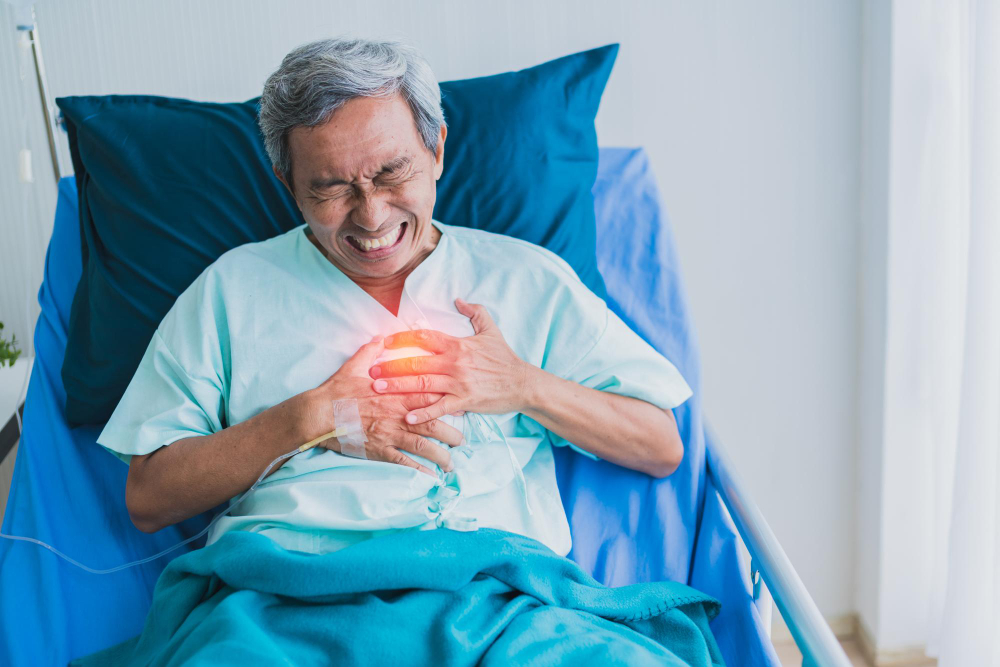
Cardiogenic shock is a serious medical emergency that happens when the heart cannot pump enough blood to the body. Because this condition can be life-threatening, it is important to know the causes, symptoms, diagnosis, and treatment options for cardiogenic shock. Early recognition and quick action can save lives.
What is Cardiogenic Shock?
Cardiogenic shock occurs when the heart suddenly fails to supply enough blood to meet the body’s needs. As a result, organs and tissues do not get enough oxygen. This can lead to organ damage. Often, cardiogenic shock is linked to severe heart problems, such as a heart attack. However, other heart conditions can also cause it. Since the body depends on the heart for blood flow, any failure can quickly become dangerous.
Causes of Cardiogenic Shock
Many heart-related issues can lead to cardiogenic shock. Most often, a heart attack is the main cause. Yet, other problems can also trigger this condition. Below are common causes:
Sometimes, a combination of these issues can make the risk even higher. For example, a person with heart failure and a heart attack may be more likely to develop cardiogenic shock.
Symptoms and Warning Signs
Recognizing the symptoms of cardiogenic shock early can help save lives. While symptoms may develop quickly, some signs are easy to spot. Watch for these warning signs:
Because these symptoms can appear suddenly, it is important to seek emergency care right away. Quick action can improve the chances of recovery.
How is Cardiogenic Shock Diagnosed?
Doctors use several tests to diagnose cardiogenic shock. First, they check vital signs like blood pressure and heart rate. Next, they may order blood tests to look for signs of heart damage. In addition, doctors often use imaging tests to see how the heart is working. Common diagnostic steps include:
Sometimes, doctors may use other tests to find the exact cause. Early diagnosis helps guide the best treatment plan.
Treatment Options for Cardiogenic Shock
Treating cardiogenic shock is urgent. The main goal is to restore blood flow and support the heart. Treatment often starts in the emergency room. Here are common treatment options:
After emergency care, ongoing treatment may include medicines for heart failure and lifestyle changes. Recovery depends on how quickly treatment begins and the underlying cause.
Prevention and Lifestyle Tips
While not all cases can be prevented, healthy habits can lower the risk of cardiogenic shock. For example, managing heart disease and avoiding risk factors is key. Consider these tips:
Because early action matters, knowing your risk factors can help you stay healthy.
When to Seek Medical Help
If you notice sudden chest pain, severe shortness of breath, or fainting, seek emergency care right away. Additionally, if you have a history of heart disease and feel unwell, do not wait. Quick treatment can save lives. Always call emergency services if you think someone is in cardiogenic shock.
If you or someone you know shows signs of cardiogenic shock, consult a healthcare specialist immediately for personalized care.