
Coronary Artery Bypass Grafting: Symptoms, Causes, Procedure, and Recovery

What is Coronary Artery Bypass Grafting (CABG)?

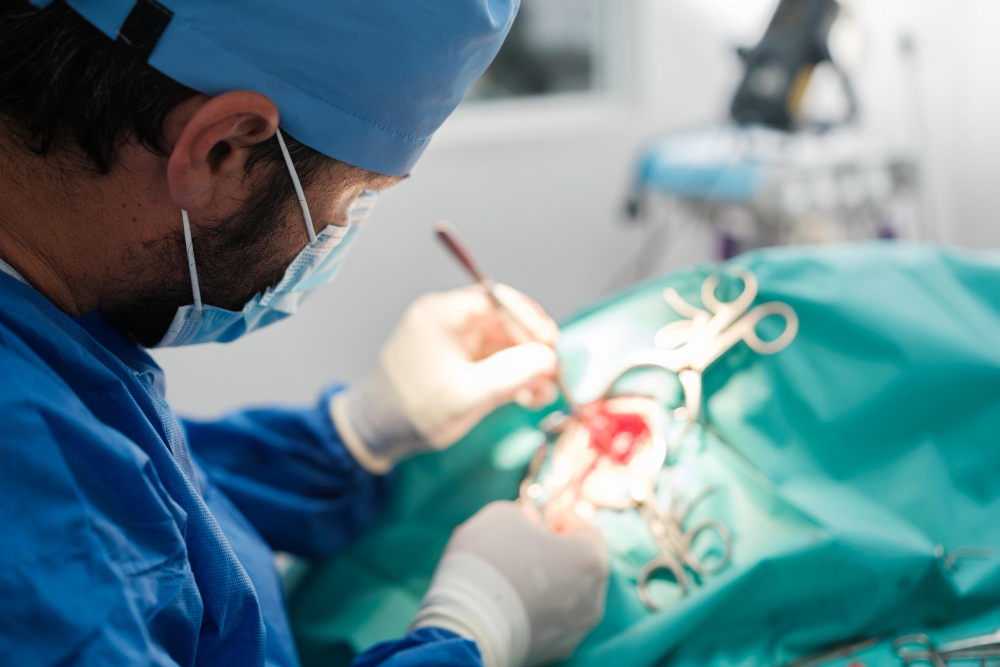
Coronary artery bypass grafting, often called CABG, is a type of heart surgery. Doctors use it to treat blocked or narrowed arteries in the heart. When blood cannot flow well to the heart, it can cause chest pain or even a heart attack. CABG creates a new path for blood to reach the heart muscle. This surgery is also known as heart bypass surgery. Many people need CABG to improve their heart health and quality of life.

Symptoms Indicating the Need for CABG

Some symptoms may show that you need coronary artery bypass grafting. If you notice these signs, you should talk to your doctor. Early action can help prevent serious problems.

  • Chest pain or tightness, especially during activity
  • Shortness of breath, even at rest
  • Fatigue or weakness
  • Heart palpitations or irregular heartbeat
  • Pain in the neck, jaw, or arm
  • Swelling in the legs or feet
  • However, some people may not have clear symptoms. Regular check-ups are important for those at risk.

    Causes and Risk Factors

    Coronary artery disease is the main reason for needing CABG. This condition happens when fatty deposits build up in the heart’s arteries. Over time, these deposits can block blood flow. Several risk factors can increase your chance of needing a CABG procedure.

  • High blood pressure
  • High cholesterol levels
  • Smoking
  • Diabetes
  • Obesity
  • Family history of heart disease
  • Lack of physical activity
  • Unhealthy diet
  • Because these risks add up, making healthy choices can help lower your chances.

    Diagnosis and Evaluation

    Doctors use several tests to decide if you need coronary artery bypass grafting. First, they will ask about your symptoms and medical history. Next, they may order tests to check your heart.

  • Electrocardiogram (ECG) to check heart rhythm
  • Stress test to see how your heart works during exercise
  • Blood tests to check cholesterol and sugar levels
  • Coronary angiography to look at blood flow in the heart
  • Echocardiogram to see the heart’s structure
  • After these tests, your doctor will discuss the best treatment plan for you.

    The CABG Procedure: Step-by-Step

    Understanding the CABG procedure can help reduce worry. Here is what usually happens:

  • First, you receive anesthesia to help you sleep during surgery.
  • Next, the surgeon takes a healthy blood vessel from your leg, arm, or chest.
  • Then, the surgeon attaches this vessel to the blocked artery, creating a new path for blood.
  • After the graft is in place, the surgeon checks for good blood flow.
  • Finally, the chest is closed, and you are moved to recovery.
  • Most CABG surgeries take three to six hours. Some people may need more than one bypass, depending on how many arteries are blocked.

    Recovery and Aftercare

    Recovery after heart bypass surgery is important for your health. Right after surgery, you will stay in the hospital for about five to seven days. During this time, doctors and nurses will watch you closely.

  • You may feel tired or sore for a few weeks.
  • It is important to follow your doctor’s advice about medicines and wound care.
  • Gradually, you can return to normal activities, but avoid heavy lifting at first.
  • Cardiac rehab programs can help you regain strength and confidence.
  • Most people can return to work in six to twelve weeks.
  • Because everyone heals at a different pace, talk to your doctor about your recovery plan.

    Lifestyle Tips for Heart Health

    After coronary artery bypass grafting, healthy habits are key. These tips can help keep your heart strong:

  • Eat a balanced diet rich in fruits, vegetables, and whole grains
  • Exercise regularly, as advised by your doctor
  • Quit smoking and avoid secondhand smoke
  • Manage stress through relaxation or hobbies
  • Take your medicines as prescribed
  • Keep a healthy weight
  • Limit salt and sugar intake
  • With these changes, you can lower your risk of future heart problems.

    Prevention of Coronary Artery Disease

    Preventing heart disease is possible with simple steps. Even small changes can make a big difference over time.

  • Get regular health check-ups
  • Control blood pressure and cholesterol
  • Stay active most days of the week
  • Eat less processed food and more fresh food
  • Limit alcohol use
  • Manage diabetes if you have it
  • Because prevention is easier than treatment, start healthy habits early.

    Frequently Asked Questions (FAQs)

  • Is CABG a cure for heart disease?
  • While CABG improves blood flow, it does not cure heart disease. Healthy habits are still needed.
  • How long does recovery take?
  • Most people recover in six to twelve weeks, but it can vary.
  • Are there risks with CABG?
  • All surgeries have risks, but doctors take steps to keep you safe. Talk to your doctor about your concerns.
  • Can I exercise after CABG?
  • Yes, but start slowly and follow your doctor’s advice.
  • How do I prepare for CABG?
  • Follow your doctor’s instructions about medicines, fasting, and what to bring to the hospital.
  • Consult a cardiologist for personalized advice about coronary artery bypass grafting.