
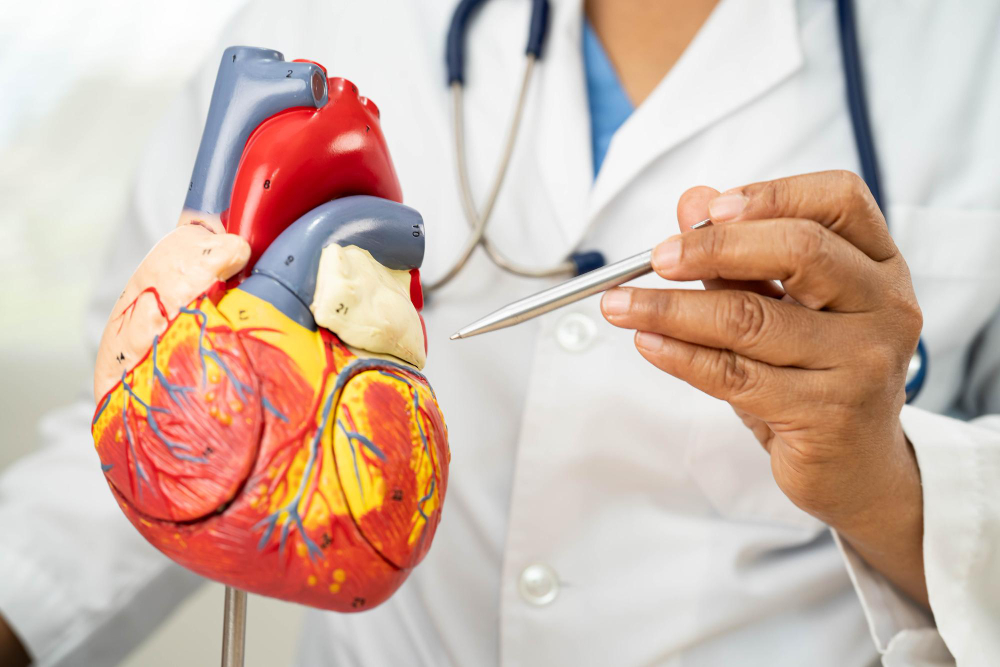
What is Cardiomyopathy?
Cardiomyopathy is a disease that affects the heart muscle. It makes it harder for your heart to pump blood. Because of this, your body may not get enough oxygen. Cardiomyopathy is sometimes called heart muscle disease. It can lead to serious problems like heart failure. Many people want to know about the types of cardiomyopathy, cardiomyopathy symptoms, and cardiomyopathy treatment. Early detection can help manage the condition better.
Types of Cardiomyopathy
There are several types of cardiomyopathy. Each type affects the heart in a different way. Knowing the type helps doctors choose the best treatment. The main types include:
Each type can cause different symptoms and risks. However, all types affect how well the heart works.
Common Symptoms
Cardiomyopathy symptoms can be mild at first. Over time, they may get worse. Some people may not notice symptoms until the disease is advanced. Watch for these common signs:
If you notice these symptoms, it is important to talk to your doctor. Early treatment can help prevent complications.
Causes and Risk Factors
Many things can cause cardiomyopathy. Sometimes, the cause is unknown. But, some common causes and risk factors include:
According to the CDC and WHO, genetics and lifestyle both play a role. Therefore, knowing your risk can help you take steps to protect your heart.
How Cardiomyopathy is Diagnosed
Doctors use several tests to diagnose cardiomyopathy. First, they will ask about your symptoms and family history. Next, they may perform a physical exam. Common tests include:
Sometimes, doctors may suggest genetic testing. This helps find inherited forms of the disease. Early diagnosis can improve treatment outcomes.
Treatment Options
Cardiomyopathy treatment depends on the type and severity. The main goals are to control symptoms, prevent complications, and improve quality of life. Treatment options include:
Doctors may adjust treatment as your condition changes. Regular check-ups are important for managing heart muscle disease.
Lifestyle Tips and Prevention
While you cannot always prevent cardiomyopathy, healthy habits can lower your risk. For example, you can:
Additionally, knowing your family history can help you and your doctor watch for early signs. Prevention is always better than cure.
When to See a Doctor
If you notice symptoms like shortness of breath, chest pain, or swelling, see a doctor soon. Also, if you have a family history of heart muscle disease, regular check-ups are wise. Early care can make a big difference. Do not ignore warning signs. Prompt action can help prevent serious problems.
For personalized advice on cardiomyopathy, consult a cardiologist. Your heart health matters.