
Introduction to Percutaneous Coronary Intervention (PCI)
Percutaneous coronary intervention, also known as PCI, is a common heart procedure. Doctors use PCI to open blocked or narrowed blood vessels in the heart. These vessels are called coronary arteries. When they get blocked, blood cannot flow well to the heart muscle. As a result, you may feel chest pain or have a heart attack. PCI is sometimes called coronary angioplasty or heart stent treatment. Many people in cities and towns around the world have this procedure every year. According to the World Health Organization, heart disease is a leading cause of death worldwide. PCI helps many people live longer and feel better.
Symptoms and Conditions Leading to PCI
Often, people need PCI because they have symptoms of heart disease. Some common signs include:
Sometimes, people have no symptoms. However, tests may show blocked arteries. In these cases, doctors may still suggest PCI to prevent future problems.
Causes and Risk Factors for Needing PCI
Blocked heart arteries are usually caused by a buildup of fatty deposits called plaque. Over time, this buildup makes it hard for blood to flow. Several factors can increase your risk, such as:
Because these risks add up, it is important to manage your health. Even so, some people may still need PCI despite healthy habits.
How PCI is Diagnosed and When It Is Recommended
Doctors use several steps to decide if you need PCI. First, they ask about your symptoms and medical history. Next, they may order tests, such as:
If tests show a serious blockage, your doctor may recommend PCI. Sometimes, PCI is done right away during a heart attack. Other times, it is planned to relieve symptoms or prevent future problems.
The PCI Procedure: What to Expect
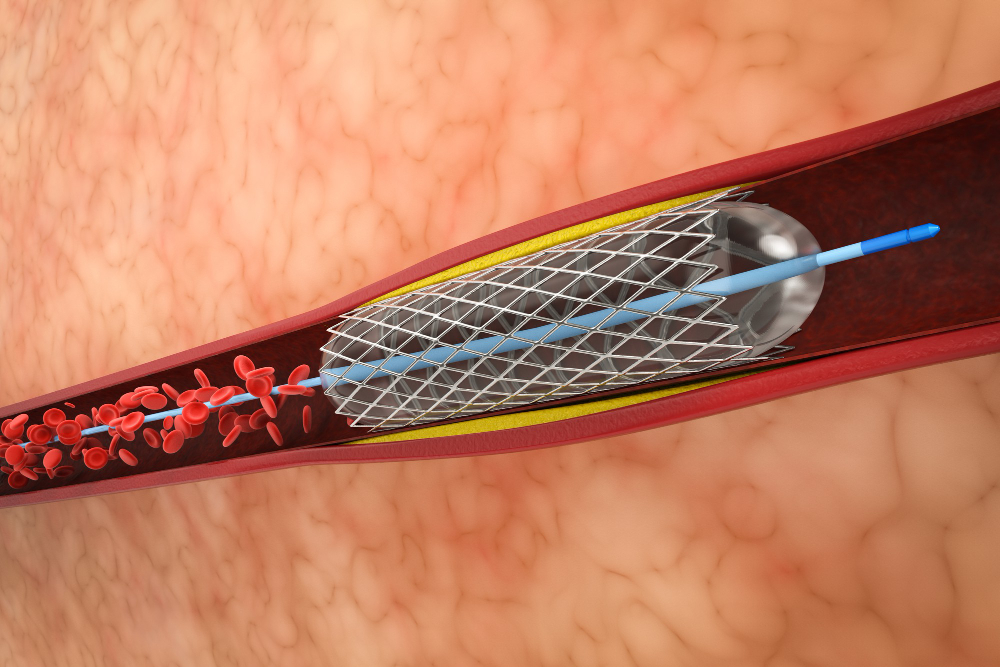
Before the PCI procedure, you will get medicine to help you relax. Usually, doctors insert a thin tube called a catheter into a blood vessel in your wrist or groin. Then, they guide the catheter to your heart. Next, a small balloon at the tip of the catheter is inflated to open the blocked artery. Often, a tiny metal mesh tube called a stent is placed to keep the artery open. The whole PCI procedure usually takes one to two hours. Most people stay awake but comfortable during the process. Afterward, you may need to stay in the hospital for a short time.
Recovery and Aftercare Following PCI
After PCI, you will rest while doctors watch your heart and blood pressure. Most people can go home within a day or two. However, you should avoid heavy lifting or hard exercise for a few days. Your doctor will give you medicines to prevent blood clots and lower your risk of future problems. It is important to take these medicines as directed. You may also need follow-up visits to check your progress. If you notice chest pain, swelling, or bleeding at the catheter site, call your doctor right away.
Lifestyle Tips and Prevention After PCI
Even after PCI, it is important to care for your heart. Here are some simple tips:
By following these steps, you can help prevent future heart problems. In addition, you may feel stronger and more active over time.
Frequently Asked Questions (FAQs) About PCI
Consult a cardiologist for personalized advice about Percutaneous coronary intervention (PCI).