
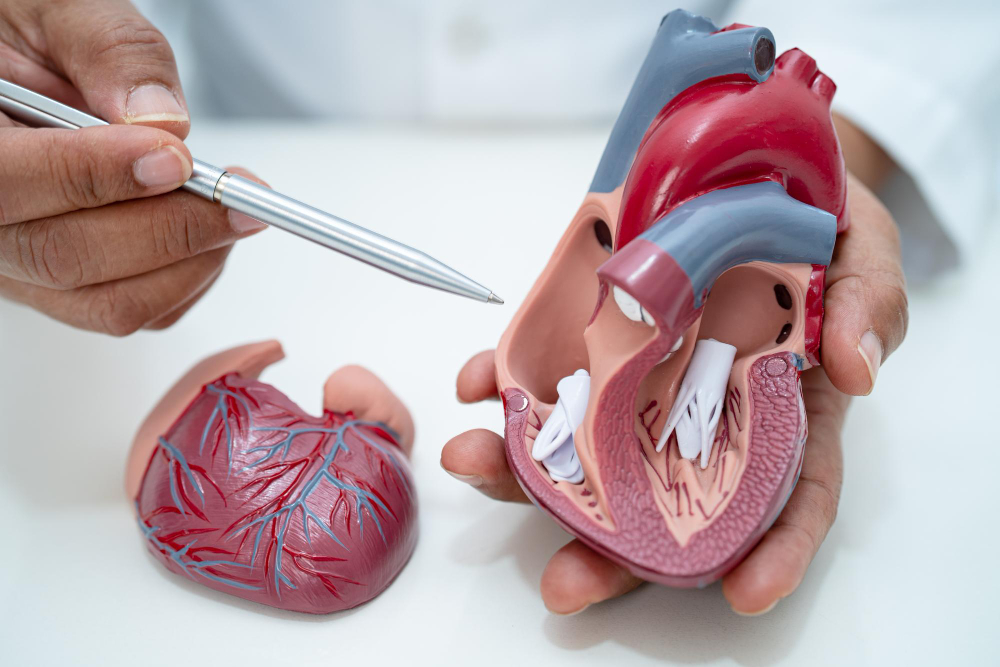
What is Pericarditis?
Pericarditis is swelling or irritation of the pericardium. The pericardium is a thin, two-layered sac that surrounds your heart. This condition can cause sharp chest pain. Often, the pain gets worse when you breathe in or lie down. Although pericarditis can be mild, it sometimes leads to serious problems. According to the Centers for Disease Control and Prevention (CDC), pericarditis affects people of all ages. However, it is most common in adults between 20 and 50 years old.
Common Symptoms of Pericarditis
Pericarditis symptoms can vary. Some people have mild discomfort, while others feel severe pain. For example, you may notice:
Sometimes, symptoms may be mild and easy to miss. Therefore, it is important to pay attention to any new or unusual chest pain.
Causes and Risk Factors
There are many possible pericarditis causes. Most often, a viral infection triggers the condition. However, other causes include:
Some people have a higher risk. For instance, those with weakened immune systems or recent chest injuries are more likely to develop pericarditis. Additionally, men between 20 and 50 years old are at greater risk.
How Pericarditis is Diagnosed
Doctors use several steps to make a pericarditis diagnosis. First, they ask about your symptoms and medical history. Next, they perform a physical exam. Often, doctors listen for a special sound called a “pericardial rub” with a stethoscope. This sound can help confirm pericarditis.
To be sure, your doctor may order tests, such as:
These tests help rule out other causes of chest pain, such as a heart attack.
Treatment Options for Pericarditis
Pericarditis treatment depends on the cause and severity. Most cases improve with simple care. For example, doctors may recommend:
In rare cases, fluid may build up around the heart. This is called pericardial effusion. If this happens, doctors may need to drain the fluid. According to the World Health Organization (WHO), most people recover fully with proper treatment.
Lifestyle Tips and Prevention
While you cannot always prevent pericarditis, some steps may lower your risk. For instance:
Additionally, staying healthy and active can support your heart. However, always check with your doctor before starting new activities if you have heart problems.
When to See a Doctor
Sometimes, chest pain can signal a serious problem. Therefore, seek medical help right away if you have:
Early diagnosis and treatment can prevent complications. If you suspect pericarditis or have ongoing chest pain, do not wait to get help.
Consult a cardiologist for personalized advice if you suspect pericarditis or experience chest pain.