
Introduction
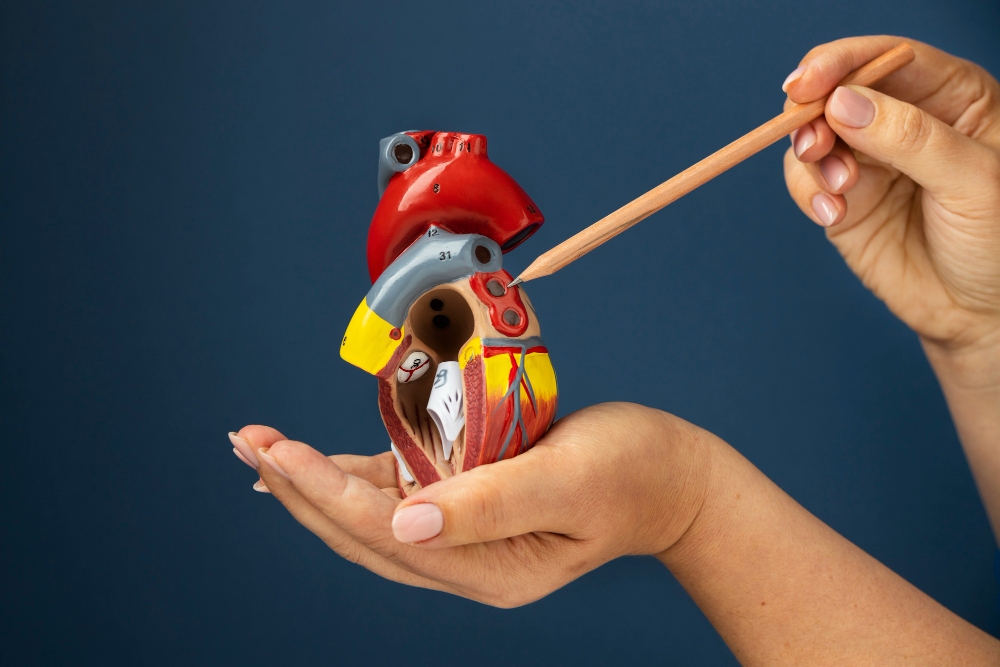
Aortic aneurysms are serious heart problems. They happen when a part of the aorta, the main blood vessel from the heart, becomes weak and bulges out. Because the aorta carries blood to the body, an aneurysm can be dangerous. If it bursts, it can cause life-threatening bleeding. Therefore, knowing about aortic aneurysms is important for your health and safety.
Symptoms
Often, aortic aneurysms do not cause symptoms at first. However, as they grow, some people may notice signs. Early detection can save lives. Watch for these symptoms:
Still, many people have no warning signs. That is why regular check-ups are important, especially for those at risk.
Causes and Risk Factors
Several things can lead to aortic aneurysms. Some people are born with weak blood vessels. Others develop them over time. Common causes and risk factors include:
Because these factors increase your risk, it is wise to manage your health and avoid smoking.
Diagnosis
Doctors use several tests to find aortic aneurysms. Early diagnosis can prevent serious problems. If you have risk factors or symptoms, your doctor may suggest:
Because these tests are simple and quick, they help doctors decide on the best treatment. According to the CDC, regular screening is key for people at high risk.
Treatment Options
Treatment for aortic aneurysms depends on size and location. Some people need only regular check-ups. Others may need medicine or surgery. Here are the main options:
Medical Treatment
Interventional Treatment
Because each case is different, your doctor will help choose the best treatment. In many cities, you can find advanced aortic aneurysm treatment centers.
Prevention and Lifestyle Tips
While not all aortic aneurysms can be prevented, you can lower your risk. Simple lifestyle changes make a big difference. Try these tips:
Because prevention is easier than treatment, start healthy habits early. The World Health Organization also recommends regular screening for those at risk.
When to See a Doctor
If you have any symptoms of aortic aneurysms, seek help right away. Even if you feel fine, see your doctor if you have risk factors. Early care can prevent serious problems. Call your doctor if you notice:
Because quick action saves lives, do not wait if you feel unwell.
Conclusion
Aortic aneurysms are serious but treatable. With early diagnosis and the right care, many people recover well. Remember, healthy habits and regular check-ups can lower your risk. Consult a cardiologist for personalized advice.