Introduction
Heart defects are problems with the heart’s structure or function. These issues can affect people of any age. Some are present at birth, called congenital heart defects. Others may develop later in life. Because heart defects can be serious, it is important to know their causes, symptoms, and treatment options. Early heart defect diagnosis can help improve outcomes. In this blog, you will learn about heart defect symptoms, causes, and ways to manage them.
What Are Heart Defects?
Heart defects are changes in the heart’s structure. These changes can affect how blood flows through the heart and body. Some defects are small and may not cause problems. Others can be more serious and need treatment. Congenital heart defects are present at birth. However, some heart defects can develop later due to illness or injury.
According to the Centers for Disease Control and Prevention (CDC), about 1 in 100 babies are born with a heart defect. This makes them one of the most common birth problems.
Common Causes of Heart Defects
There are many reasons why heart defects happen. Sometimes, the exact cause is not known. But several factors can increase the risk. For example, genetics can play a role. If a parent has a heart defect, their child may have a higher chance of having one too. In addition, certain infections during pregnancy, such as rubella, can increase risk. Some medicines or drugs taken during pregnancy may also cause problems. Poor nutrition and exposure to harmful substances can add to the risk.
Sometimes, heart defects develop later in life. For instance, infections, heart injury, or other health problems can cause them.
Recognizing Symptoms of Heart Defects
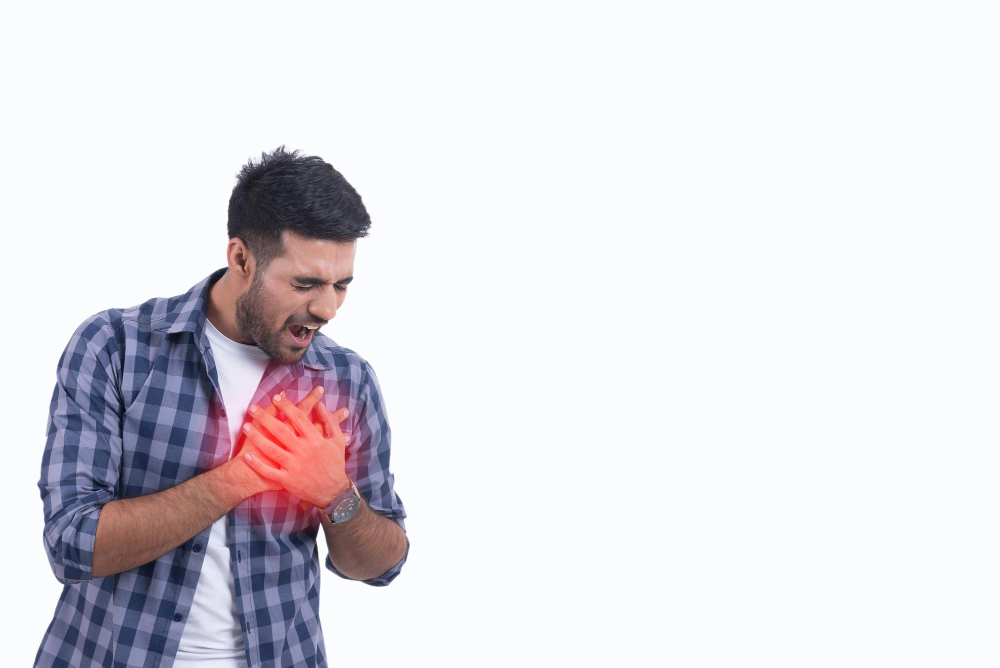
Heart defect symptoms can vary. Some people have no symptoms at all. Others may notice problems soon after birth or later in life. For example, babies with heart defects may have trouble feeding or breathing. Older children and adults might feel tired easily. They may also have swelling in the legs or shortness of breath. Because symptoms can be mild or severe, it is important to watch for signs.
If you notice any of these heart defect symptoms, seek medical help right away.
How Heart Defects Are Diagnosed
Doctors use several tests to find heart defects. First, they will ask about symptoms and family history. Next, they may listen to the heart with a stethoscope. If they suspect a problem, they will order more tests. For example, an echocardiogram uses sound waves to create pictures of the heart. This test helps doctors see the heart’s structure and function. Other tests may include chest X-rays, electrocardiograms (ECG), or MRI scans. Sometimes, doctors use special dyes to see blood flow in the heart.
Early heart defect diagnosis can help prevent serious problems. Therefore, regular check-ups are important, especially for those at higher risk.
Treatment Options for Heart Defects
Treatment for heart defects depends on the type and severity. Some small defects may not need treatment. However, others may require medicine, surgery, or other procedures. For example, medicines can help control symptoms like high blood pressure or irregular heartbeat. In some cases, doctors may use a catheter to fix the defect without open surgery. For more serious problems, surgery may be needed to repair or replace parts of the heart. After treatment, regular follow-up is important to check heart health.
Each person’s treatment plan is unique. Therefore, it is important to follow your doctor’s advice closely.
Lifestyle Tips and Prevention
While not all heart defects can be prevented, some steps can lower the risk. For example, pregnant women should get regular check-ups and avoid harmful substances. Eating a healthy diet and taking prenatal vitamins can help. Vaccinations, such as the rubella vaccine, can also protect against infections that cause heart defects. For those with heart defects, healthy habits can improve quality of life. Regular exercise, a balanced diet, and not smoking are important. In addition, managing other health problems, like diabetes or high blood pressure, can help protect the heart.
Although not all heart defects can be stopped, these steps can make a big difference.
Conclusion
Heart defects can affect anyone, but early detection and treatment can help. Knowing the causes, symptoms, and treatment options is important. If you or a loved one has concerns about heart defect symptoms, do not wait. Consult a cardiologist for personalized advice on heart defects.