
What Is Unstable Angina?
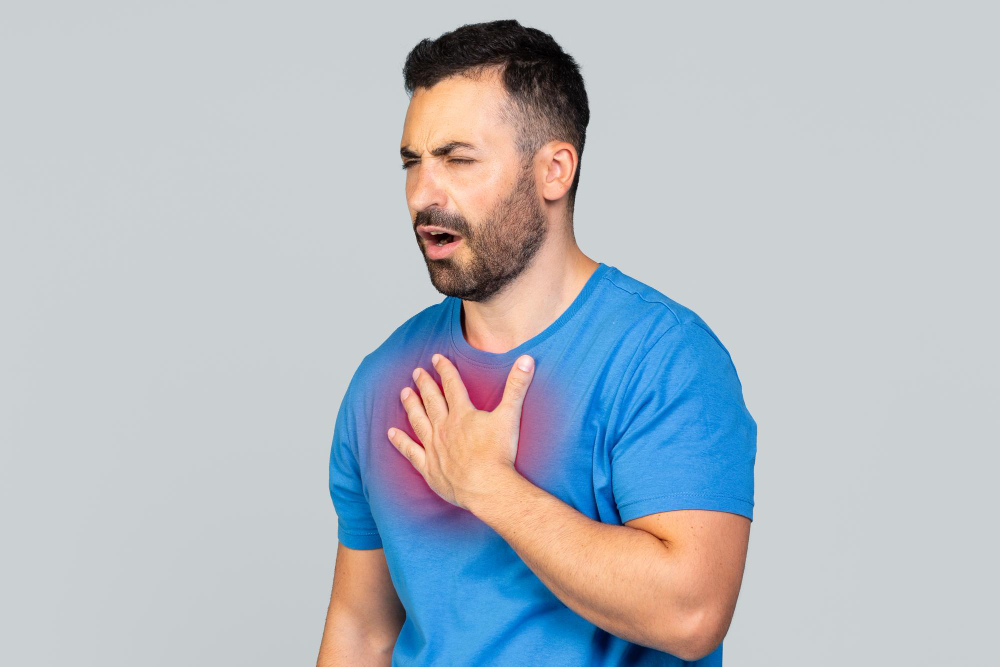
Unstable angina is a serious heart condition. It happens when blood flow to the heart suddenly drops. This can cause chest pain or discomfort, even while resting. Unlike stable angina, unstable angina is unpredictable. It can signal a higher risk of heart attack. Because of this, recognizing unstable angina symptoms is very important for your heart health.
Causes of Unstable Angina
Unstable angina usually happens when the arteries that supply blood to the heart become blocked. Most often, this blockage is due to a buildup of fatty deposits called plaque. Sometimes, a blood clot forms on top of the plaque, making the blockage worse. As a result, the heart does not get enough oxygen-rich blood.
Common causes of unstable angina include:
In addition, certain risk factors can increase your chances of developing unstable angina. These include:
Symptoms of Unstable Angina
Recognizing the symptoms of unstable angina can help you get care quickly. Unlike stable angina, these symptoms can appear suddenly and may not go away with rest. For example, you may feel chest pain while sitting or sleeping. The pain may last longer than a few minutes.
Common unstable angina symptoms include:
Sometimes, the pain may feel like pressure, squeezing, or fullness. However, not everyone experiences the same symptoms. Women and older adults may have less typical signs, such as shortness of breath or fatigue.
How Is Unstable Angina Diagnosed?
Doctors use several tests to diagnose unstable angina. First, they will ask about your symptoms and medical history. Next, they may perform a physical exam. Because unstable angina can be life-threatening, quick diagnosis is important.
Common tests for the diagnosis of unstable angina include:
Sometimes, doctors may use other imaging tests to get more information. Early diagnosis helps prevent heart attacks and other serious problems.
When to Seek Medical Help
If you think you have unstable angina, seek medical help right away. Do not wait for the pain to go away. Quick treatment can save your life. For instance, call emergency services if you have:
Even if you are unsure, it is better to be safe and get checked by a doctor.
Conclusion and Next Steps
Unstable angina is a warning sign that your heart needs attention. Because it can lead to a heart attack, early action is key. If you notice any symptoms, do not ignore them. Instead, talk to a healthcare provider as soon as possible. They can guide you through the diagnosis of unstable angina and help protect your heart health.
Consult a cardiologist for personalized advice if you experience symptoms of unstable angina.