
Introduction
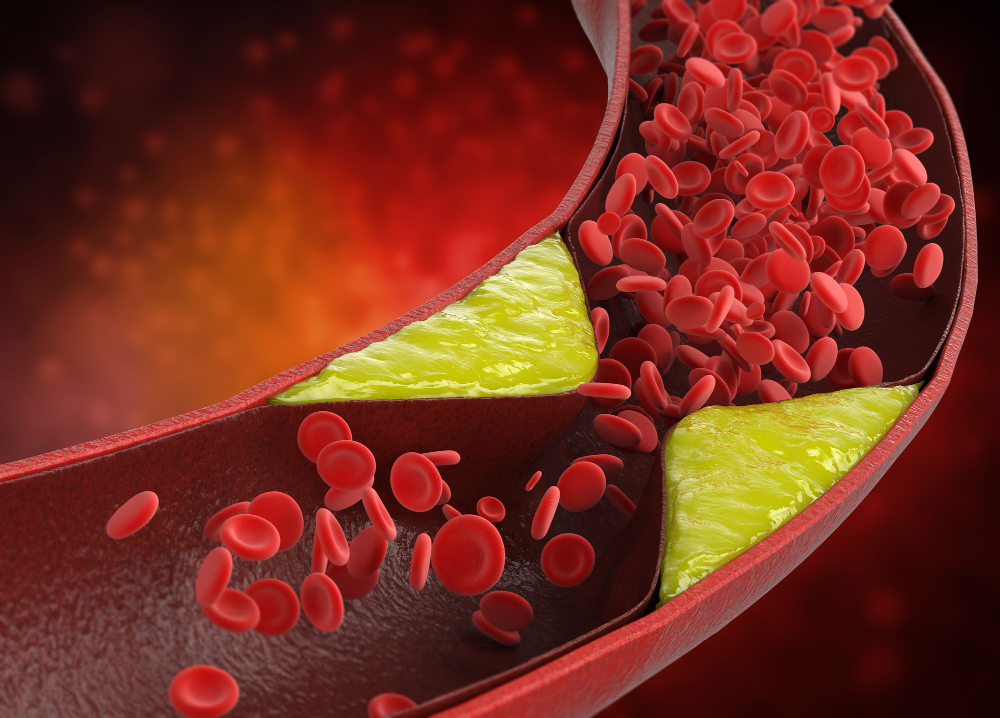
Coronary artery disease is a common heart problem. It happens when the blood vessels that supply your heart become narrow or blocked. As a result, your heart may not get enough oxygen-rich blood. This can lead to chest pain, heart attacks, or other serious issues. In the United States, coronary artery disease is a leading cause of death, according to the CDC. Early detection and treatment can help you live a healthier life.
Symptoms of Coronary Artery Disease
Many people do not notice symptoms at first. However, as the disease gets worse, you may experience warning signs. For example, you might feel:
Sometimes, the first sign is a heart attack. Therefore, it is important to know these symptoms and seek help if they appear.
Causes and Risk Factors
Coronary artery disease develops over many years. The main cause is a buildup of fatty deposits, called plaque, inside the arteries. Over time, this buildup narrows the arteries and reduces blood flow. Several risk factors can increase your chances of developing this disease. These include:
In the United States, lifestyle factors like poor diet and low physical activity are common causes. But, you can lower your risk by making healthy choices.
Diagnosis Methods
Doctors use several tests to diagnose coronary artery disease. First, they will ask about your symptoms and medical history. Then, they may suggest:
Early diagnosis helps prevent serious problems. Therefore, regular check-ups are important, especially if you have risk factors.
Treatment Options
Treatment for coronary artery disease depends on how severe it is. Doctors often use a mix of medical, lifestyle, and interventional treatments. For example:
Medical Treatments
Lifestyle Changes
Interventional Procedures
Your doctor will help choose the best treatment for you. Sometimes, a combination of these options works best.
Prevention Tips
While you cannot change some risk factors, you can take steps to lower your chances of coronary artery disease. For instance:
These steps can help protect your heart and improve your overall health.
Lifestyle Guidance for Heart Health
Living with coronary artery disease means making smart choices every day. However, small changes can make a big difference. Try these tips:
Remember, even small steps can help your heart stay strong.
When to Seek Medical Help
If you notice chest pain, shortness of breath, or sudden weakness, seek help right away. These could be signs of a heart attack. In addition, call your doctor if you have new or worsening symptoms. Early treatment can save lives. For people in the United States, emergency services are available by dialing 911.
Conclusion
Coronary artery disease is serious, but you can manage it with the right care. Learn the symptoms, know your risks, and follow your doctor’s advice. For personalized guidance, consult a cardiologist about coronary artery disease. Your heart health matters.