
What Is Hyperlipidemia?
Hyperlipidemia means you have high levels of fats, like cholesterol and triglycerides, in your blood. These fats are important for your body, but too much can be harmful. Often, hyperlipidemia does not cause any symptoms. However, it can quietly raise your risk for heart diseases. Because of this, many people do not know they have it until a blood test shows high cholesterol. According to the CDC, about 38% of adults in the United States have high cholesterol.
Common Symptoms and How It Is Detected
Usually, hyperlipidemia does not cause any clear symptoms. For this reason, it is often called a “silent” condition. Most people find out they have it during routine blood tests. Sometimes, very high cholesterol can cause fatty deposits under the skin or around the eyes. But these signs are rare. Therefore, regular check-ups are important for early detection.
Causes and Risk Factors
Many things can lead to hyperlipidemia. Some you can control, while others you cannot. For example, your genes may play a role. But lifestyle choices matter too. Here are some common causes and risk factors:
As you can see, both lifestyle and genetics play a part.
How Hyperlipidemia Increases Heart Disease Risk
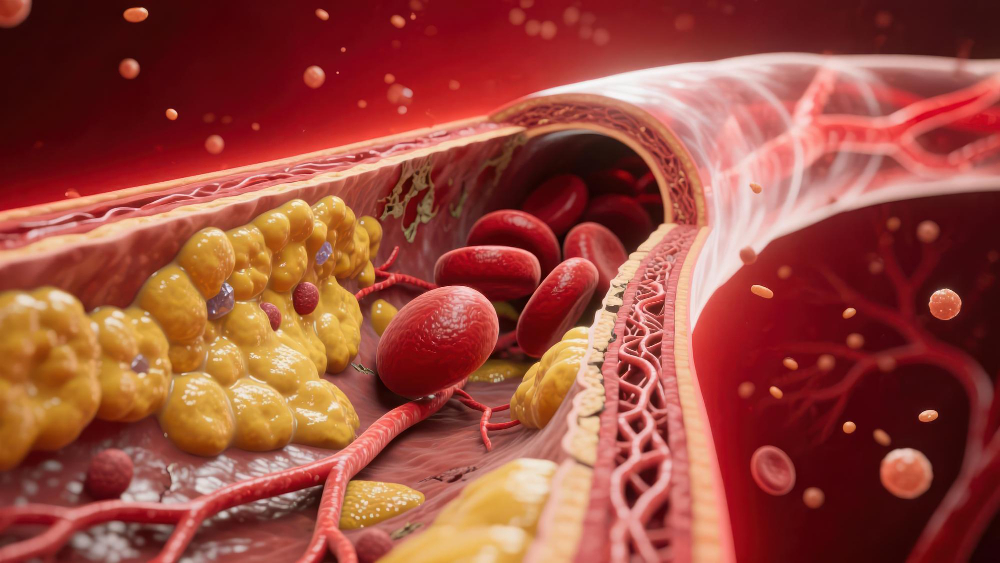
High cholesterol can build up in your blood vessels. Over time, this buildup forms plaques that narrow or block arteries. As a result, blood flow to your heart and brain can slow down or stop. This process, called atherosclerosis, raises your risk for heart attacks and strokes. According to the World Health Organization, heart disease is the leading cause of death worldwide. Therefore, managing hyperlipidemia is key to preventing heart disease.
Diagnosis and Screening Methods
Doctors use a simple blood test called a lipid panel to check for hyperlipidemia. This test measures:
Most adults should get their cholesterol checked every 4 to 6 years. However, if you have risk factors, your doctor may suggest more frequent tests. Early detection helps you take steps before problems develop.
Treatment Options for Hyperlipidemia
Treating hyperlipidemia often starts with lifestyle changes. But sometimes, medication is needed too. Here are common treatment options:
Your doctor will help you choose the best plan for you. In many cases, a mix of both approaches works best.
Prevention Tips and Lifestyle Guidance
Even if you do not have hyperlipidemia, you can take steps to lower your risk. For example, try these tips:
With these habits, you can help prevent high cholesterol and protect your heart.
When to Consult a Cardiologist
If you have high cholesterol or a family history of heart disease, it is wise to see a cardiologist. Also, if you have other risk factors like diabetes or high blood pressure, early advice can help. A heart specialist can guide you on cholesterol management and preventing heart disease from high cholesterol. In addition, they can suggest the best treatment plan for your needs.
Conclusion
Hyperlipidemia is common, but you can manage it with the right steps. Early detection, healthy habits, and medical advice make a big difference. Consult a cardiologist for personalized advice on managing hyperlipidemia and reducing your heart disease risk.