
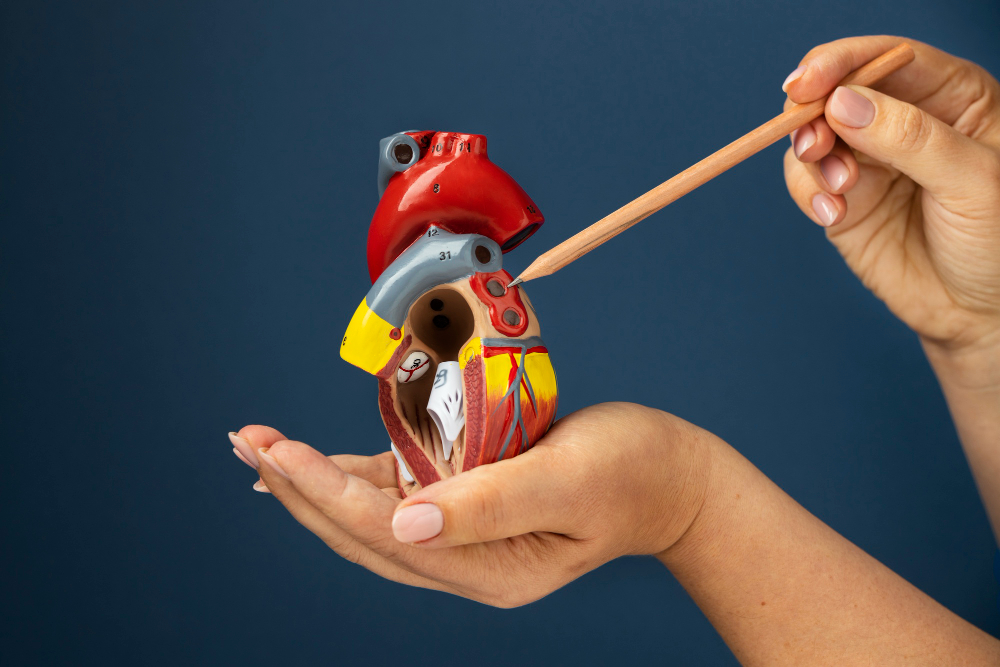
What Are Aortic Aneurysms?
Aortic aneurysms are bulges or weak spots in the wall of the aorta. The aorta is the main blood vessel that carries blood from your heart to the rest of your body. When the wall of the aorta weakens, it can stretch and form a balloon-like bulge. This bulge is called an aneurysm. If an aortic aneurysm grows too large, it can burst. This is a medical emergency. Early detection is important for safe and effective aortic aneurysm treatment. According to the CDC, aortic aneurysms cause thousands of deaths each year, but many can be prevented with proper cardiology care.
Common Causes and Risk Factors
Several factors can increase your risk of developing an aortic aneurysm. While some risks are out of your control, others can be managed.
Because many risk factors are linked to lifestyle, making healthy choices can help lower your risk.
Recognizing Symptoms
Often, aortic aneurysms do not cause symptoms until they become large or start to leak. However, knowing the warning signs can save lives. For example, some people may notice:
But sometimes, an aortic aneurysm is found during tests for other reasons. If an aneurysm bursts, symptoms appear suddenly and may include severe pain, fainting, or rapid heartbeat. In this case, seek emergency care right away.
How Aortic Aneurysms Are Diagnosed
Doctors use several tests to diagnose aortic aneurysms. Early diagnosis is key to safe aortic aneurysm treatment. Usually, your doctor will start with a physical exam. Next, they may order imaging tests, such as:
Because aortic aneurysms can be silent, regular screening is recommended for people at higher risk. For example, men aged 65 to 75 who have ever smoked should ask their doctor about screening, as advised by the U.S. Preventive Services Task Force.
Treatment Options (Non-interventional and Interventional)
Treatment for aortic aneurysms depends on the size and location of the aneurysm, as well as your overall health. Your cardiology care team will help you choose the best option.
Non-interventional Treatments
Doctors often recommend watchful waiting for small aneurysms. However, they will monitor you closely for any changes.
Interventional Treatments
Both options have risks and benefits. Therefore, your doctor will discuss which is best for you.
Prevention and Lifestyle Tips
Although you cannot change some risk factors, you can take steps to lower your chances of developing an aortic aneurysm. For example, you can:
Because regular check-ups help catch problems early, see your doctor for routine health visits.
When to See a Doctor
If you have risk factors for aortic aneurysms or notice any symptoms, talk to your doctor. Early detection can save your life. Seek immediate help if you experience sudden, severe pain in your chest, back, or belly. Also, if you feel faint or have trouble breathing, call emergency services right away. Remember, timely cardiology care is important for your health and safety.
For personalized advice about aortic aneurysms, consult a cardiologist. Early action can make a big difference.