What is Sick Sinus Syndrome?
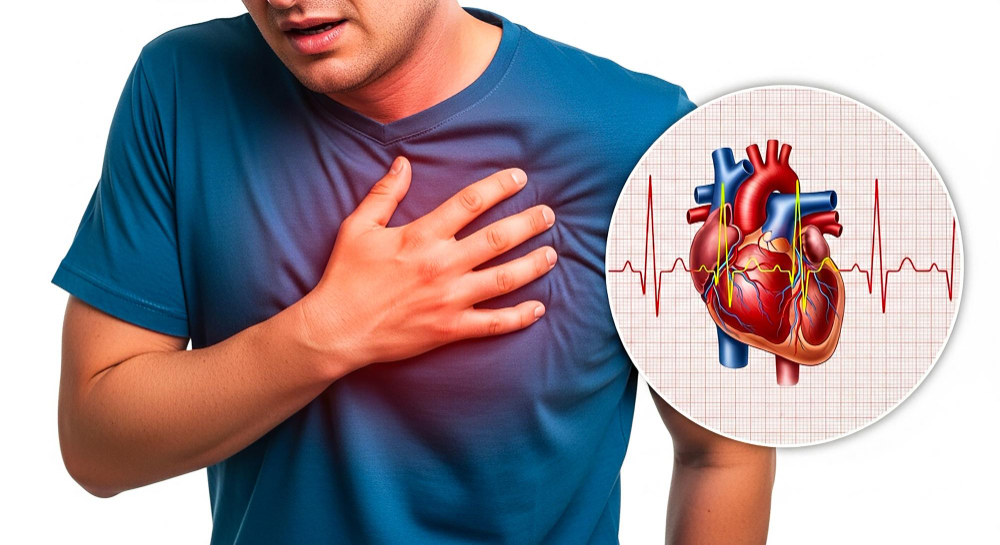
Sick Sinus Syndrome is a heart rhythm disorder. It happens when the heart’s natural pacemaker, called the sinus node, does not work properly. As a result, the heart may beat too slowly, too quickly, or with long pauses. This condition is also known as sinus node dysfunction. Although it can affect anyone, it is more common in older adults. Early detection is important because it can help prevent serious problems.
Common Symptoms
Symptoms of Sick Sinus Syndrome can vary. Sometimes, people may not notice any signs at first. However, as the condition gets worse, symptoms may appear. For example, you might feel:
In some cases, symptoms come and go. But if you notice these signs, you should talk to a doctor.
Causes and Risk Factors
There are several reasons why Sick Sinus Syndrome may develop. Most often, it is due to age-related changes in the heart. Over time, the sinus node can become scarred or damaged. Other possible causes include:
Additionally, some risk factors make Sick Sinus Syndrome more likely. For instance, being over 65 years old, having high blood pressure, or having other heart problems can increase your risk.
How Sick Sinus Syndrome is Diagnosed
Doctors use several tests to diagnose Sick Sinus Syndrome. First, they will ask about your symptoms and medical history. Next, they may perform a physical exam. To check your heart rhythm, doctors often use an electrocardiogram (ECG or EKG). This test records the electrical activity of your heart. Sometimes, symptoms do not show up during a short test. In that case, you might wear a portable heart monitor for a day or longer. Other tests, such as blood tests or an echocardiogram, may help rule out other causes.
Treatment Options for Sick Sinus Syndrome
Treatment for Sick Sinus Syndrome depends on your symptoms and overall health. In mild cases, you may not need any treatment right away. However, if symptoms are bothersome or dangerous, doctors may suggest:
In addition, lifestyle changes can support heart health. For example, you can:
With proper treatment, most people can manage Sick Sinus Syndrome well.
Prevention Tips
While you cannot always prevent Sick Sinus Syndrome, you can lower your risk. For instance, you can:
Early action can help you avoid complications from sinus node dysfunction.
When to See a Doctor
If you notice symptoms like fainting, dizziness, or chest pain, seek medical help right away. Even if your symptoms are mild, it is wise to talk to a doctor. Early diagnosis and treatment for Sick Sinus Syndrome can improve your quality of life. Remember, your heart health matters.
For personalized advice on Sick Sinus Syndrome, consult a cardiologist.