
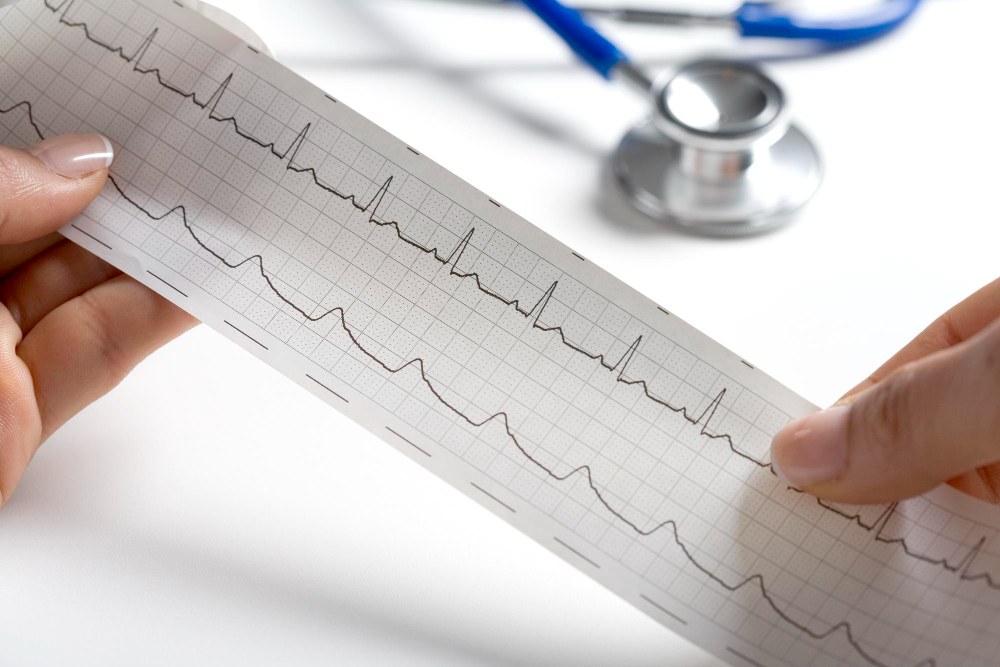
What is Supraventricular Tachycardia (SVT)?
Supraventricular tachycardia, or SVT, is a heart rhythm problem. It causes the heart to beat much faster than normal. Usually, SVT starts in the upper chambers of the heart. Because of this, the heart may not pump blood as well as it should. SVT can happen suddenly and may last for a few seconds or several hours. Although it is often not life-threatening, it can be scary. Many people with SVT feel their heart racing or pounding. According to the American Heart Association, SVT is one of the most common types of abnormal heart rhythms.
Common Symptoms of SVT
SVT symptoms can vary from person to person. However, some signs are more common than others. For example, you may notice:
Sometimes, SVT may cause no symptoms at all. But if you feel any of these signs, it is important to pay attention. Early recognition can help you get the right care.
Causes and Risk Factors
SVT happens when the electrical signals in your heart do not work as they should. As a result, the heart beats too fast. Several things can trigger SVT, such as:
Some people are born with extra electrical pathways in their heart. This can make SVT more likely. In addition, SVT is more common in young people and women. Family history may also play a role.
How SVT is Diagnosed
Doctors use several tests to diagnose supraventricular tachycardia. First, your doctor will ask about your symptoms and medical history. Next, you may have a physical exam. To confirm SVT, your doctor may order:
Because SVT can come and go, it may not always show up during a doctor’s visit. Therefore, keeping a record of your symptoms can help your doctor make a diagnosis.
Treatment Options for SVT
There are several ways to treat supraventricular tachycardia. The right treatment depends on how often you have episodes and how severe they are. Treatment options include:
Non-Interventional Treatments
Interventional Treatments
Your doctor will help you choose the best treatment for your needs. For some people, no treatment is needed if episodes are rare and mild.
Lifestyle Tips and Prevention Strategies
Although you cannot always prevent supraventricular tachycardia, some steps may help reduce your risk. For example:
By making healthy choices, you can lower your chances of having SVT episodes. In addition, regular check-ups with your doctor can help catch any changes early.
When to Seek Medical Help
SVT is usually not dangerous, but sometimes it can be serious. You should seek medical help right away if you:
Even if your symptoms are mild, it is wise to talk to your doctor. Early treatment can prevent problems and improve your quality of life.
Conclusion
Supraventricular tachycardia can be managed with the right care. Understanding your symptoms and triggers is important. If you think you may have SVT, consult a cardiologist for personalized advice on supraventricular tachycardia.