
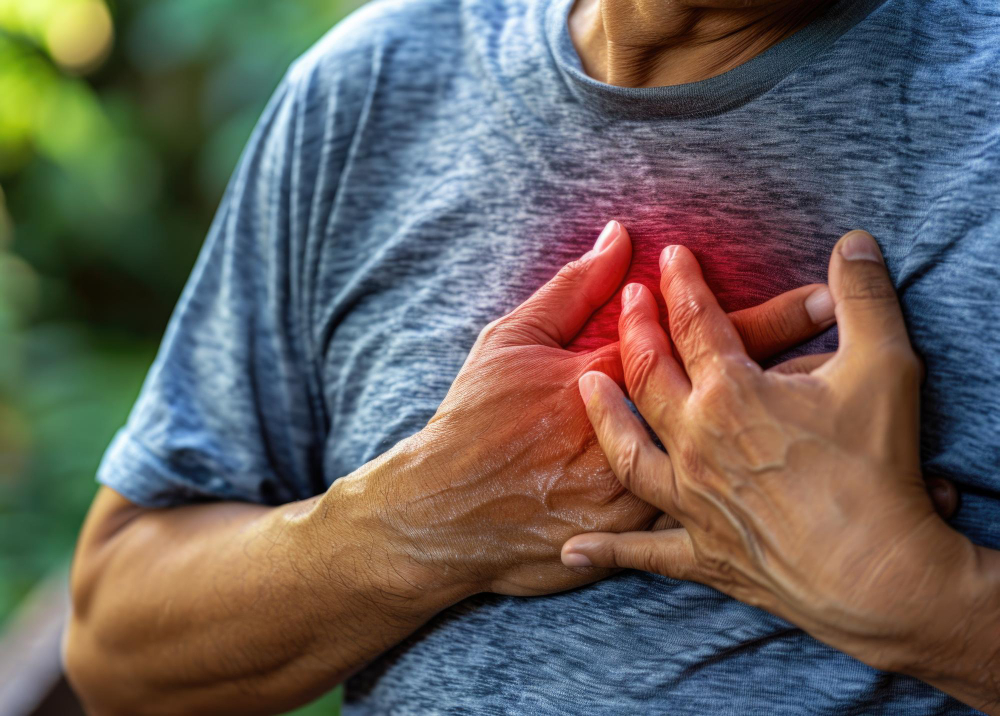
What is Heart Valve Disease?
Heart valve disease happens when one or more of your heart’s valves do not work as they should. These valves help blood flow in the right direction through your heart. When they do not open or close properly, your heart has to work harder. Over time, this can lead to serious health problems. According to the World Health Organization (WHO), heart valve disease is a common condition, especially as people get older.
Common Symptoms
Many people with heart valve disease may not notice symptoms at first. However, as the disease gets worse, signs can appear. For example, you may feel tired easily. You might also notice shortness of breath, especially when active. Other common heart valve disease symptoms include:
Because these symptoms can be mild at first, it is important to pay attention to any changes in your health.
Major Causes and Risk Factors
There are several reasons why heart valve disease can develop. Sometimes, people are born with valve problems. In other cases, the valves get damaged over time. Common causes and risk factors include:
Additionally, unhealthy habits like smoking or not exercising can raise your risk.
Diagnosis Methods
Doctors use several ways to find out if you have heart valve disease. First, your doctor will ask about your symptoms and listen to your heart. Next, they may order tests to learn more. Common ways to diagnose heart valve disease include:
Because early diagnosis is key, let your doctor know if you notice any symptoms.
Treatment Options
Heart valve disease treatment depends on how severe the problem is. Sometimes, you may only need regular check-ups. In other cases, medicine or surgery may be needed. Here are the main treatment options:
Because each person is different, your doctor will help choose the best heart valve disease treatment for you.
Lifestyle Tips for Heart Health
Even after treatment, healthy habits can make a big difference. For example, you can:
Additionally, keep all doctor appointments and take your medicines as directed.
Prevention Strategies
While not all cases can be prevented, you can lower your risk of heart valve disease. Here are some helpful steps:
Because prevention is easier than treatment, these steps can help protect your heart.
Conclusion
Heart valve disease can be serious, but early diagnosis and proper care can help you live well. If you notice any symptoms or have risk factors, do not wait. Consult a cardiologist for personalized advice on heart valve disease.