
Introduction
Many people wonder about the difference between STEMI and NSTEMI. Both are types of heart attacks, but they have key differences. STEMI stands for ST-Elevation Myocardial Infarction. NSTEMI means Non-ST-Elevation Myocardial Infarction. Both conditions need quick medical care. However, their symptoms, diagnosis, and treatments can vary. Understanding these differences can help you act fast in an emergency.
What is STEMI?
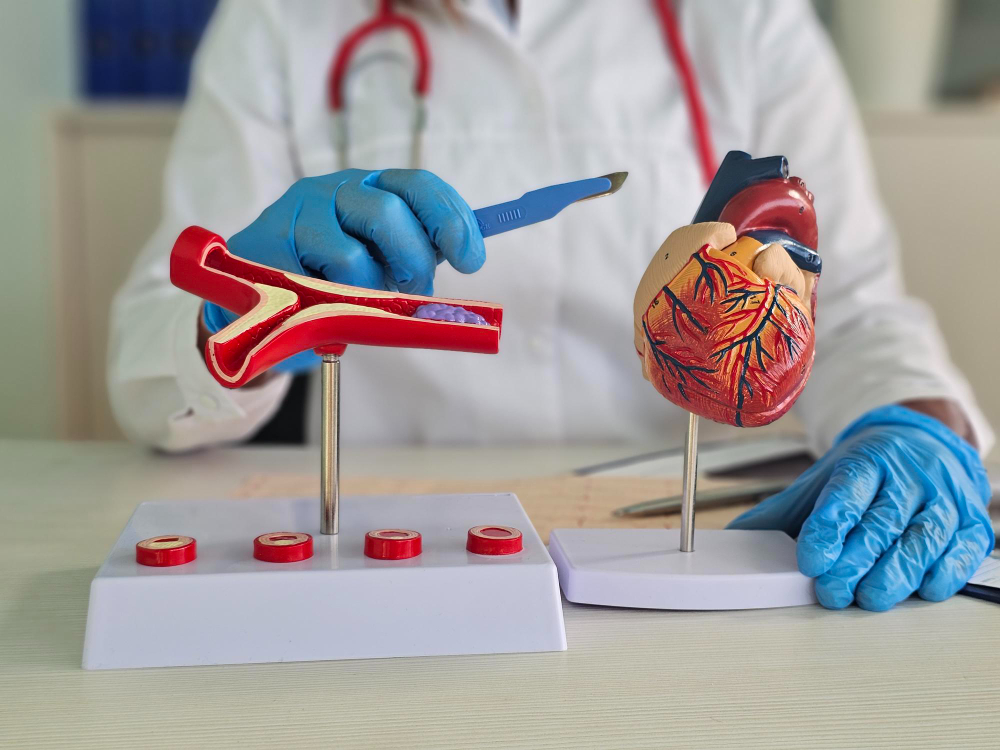
STEMI is a serious type of heart attack. In this case, a blood clot fully blocks a main artery in the heart. As a result, part of the heart muscle does not get enough blood. This can cause lasting damage. On an ECG, doctors see a special pattern called ST elevation. Because of this, STEMI is often more dangerous than other heart attacks. Quick treatment is very important.
What is NSTEMI?
NSTEMI is another type of heart attack. Here, a blood clot partly blocks a heart artery. The heart muscle still gets some blood, but not enough. On an ECG, there is no ST elevation. However, blood tests show heart damage. NSTEMI is still serious, but it may not cause as much damage as STEMI. Even so, it needs fast medical care.
Key Differences Between STEMI and NSTEMI
Symptoms of STEMI vs. NSTEMI
Both types of heart attacks can have similar symptoms. However, some signs may be stronger in STEMI. For example, chest pain in STEMI is often more severe. Still, NSTEMI can also be dangerous. Watch for these symptoms:
Sometimes, symptoms can be mild, especially in NSTEMI. Therefore, always take chest pain seriously.
Causes and Risk Factors
Both STEMI and NSTEMI are caused by reduced blood flow to the heart. Usually, this happens when a fatty deposit (plaque) breaks open in a heart artery. A blood clot then forms and blocks blood flow. Several risk factors increase your chance of a heart attack:
Because these risks add up, it is important to manage them early.
Diagnosis Methods
Doctors use several tools to tell the difference between STEMI and NSTEMI. First, they check your symptoms. Next, they use an ECG (electrocardiogram) to look for ST elevation. Blood tests help find heart damage by measuring troponin levels. Sometimes, doctors use imaging tests like echocardiograms or angiograms. These tests show how well blood flows in the heart. Early diagnosis helps guide the best treatment.
Treatment Options
Treatment for STEMI and NSTEMI aims to restore blood flow and prevent more damage. For STEMI, doctors often use:
For NSTEMI, treatment may include:
Because every patient is different, doctors choose the best plan for each person.
Prevention and Lifestyle Tips
Although heart attacks are serious, you can lower your risk. Try these tips:
Because small changes add up, start with one healthy habit today.
When to Seek Medical Help
If you have chest pain, shortness of breath, or other heart attack symptoms, call emergency services right away. Do not wait to see if symptoms go away. Quick action can save your life. Even mild symptoms can be a sign of a serious problem. Therefore, always take warning signs seriously.
Conclusion and Call-to-Action
In summary, knowing the difference between STEMI and NSTEMI can help you respond quickly in an emergency. Both are types of heart attacks that need fast care. If you or someone you know experiences symptoms of a heart attack, seek emergency medical care immediately. Consult a cardiologist for personalized advice.