Understanding Cardiomyopathy: Symptoms, Causes, Diagnosis, and Treatment

What is Cardiomyopathy?

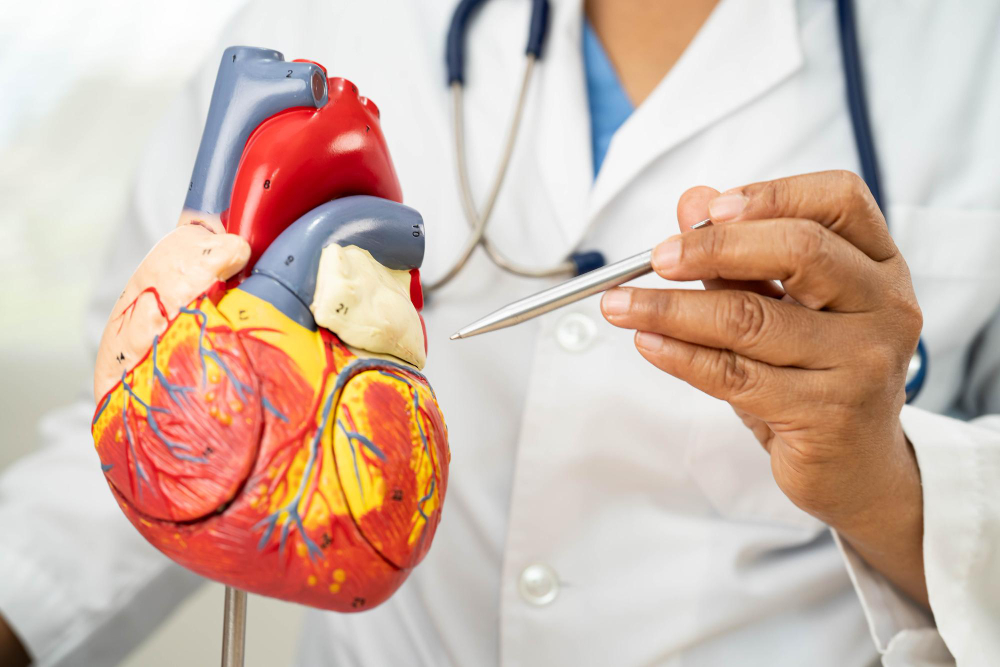
Cardiomyopathy is a disease that affects the heart muscle. It makes it harder for the heart to pump blood. As a result, the body may not get enough oxygen and nutrients. Cardiomyopathy can lead to heart failure if not managed well. According to the World Health Organization, this condition is a leading cause of heart problems worldwide. Early detection and treatment can help improve quality of life.

Types of Cardiomyopathy

There are several types of cardiomyopathy. Each type affects the heart in a different way. Understanding the types of cardiomyopathy helps doctors choose the best treatment.

  • Dilated Cardiomyopathy: The heart chambers become enlarged and weak.
  • Hypertrophic Cardiomyopathy: The heart muscle becomes thick, making it harder to pump blood.
  • Restrictive Cardiomyopathy: The heart muscle becomes stiff and less flexible.
  • Arrhythmogenic Right Ventricular Cardiomyopathy: Fat and scar tissue replace the heart muscle, mainly in the right side.
  • Common Symptoms

    Cardiomyopathy symptoms can be mild at first. However, they may get worse over time. It is important to know the signs so you can seek help early. Common symptoms include:

  • Shortness of breath, especially during activity or when lying down
  • Fatigue or feeling very tired
  • Swelling in the legs, ankles, or feet
  • Chest pain or pressure
  • Irregular heartbeat or palpitations
  • Dizziness or fainting
  • Causes and Risk Factors

    Many factors can cause cardiomyopathy. Sometimes, the cause is unknown. But often, it is linked to other health problems or lifestyle choices. Key causes and risk factors include:

  • Family history of heart disease
  • High blood pressure
  • Heart attacks or coronary artery disease
  • Diabetes
  • Obesity
  • Alcohol or drug abuse
  • Infections that affect the heart
  • Certain cancer treatments
  • Additionally, some people are born with genes that increase their risk. Age and other medical conditions can also play a role.

    Diagnosis Methods

    Doctors use several tests to diagnose cardiomyopathy. Early diagnosis can help prevent serious problems. Common methods include:

  • Physical exam: The doctor listens to your heart and checks for swelling.
  • Electrocardiogram (ECG): This test checks your heart’s electrical activity.
  • Echocardiogram: This uses sound waves to create pictures of your heart.
  • Blood tests: These can show signs of heart damage or other problems.
  • Cardiac MRI or CT scan: These give detailed images of your heart.
  • Stress test: This checks how your heart works during exercise.
  • Treatment Options

    Treatment for cardiomyopathy depends on the type and severity. The main goals are to control symptoms and prevent complications. Treatment options include:

  • Medications: These help lower blood pressure, control heart rate, and reduce fluid buildup.
  • Lifestyle changes: Eating healthy, staying active, and avoiding alcohol can help.
  • Devices: Some people need a pacemaker or defibrillator to control heart rhythm.
  • Surgery: In severe cases, surgery or even a heart transplant may be needed.
  • Your doctor will choose the best treatment based on your needs. Regular check-ups are important to track your progress.

    Lifestyle Tips for Managing Cardiomyopathy

    Living with cardiomyopathy can be challenging. However, healthy habits can make a big difference. Try these tips:

  • Follow your doctor’s advice and take medicines as prescribed
  • Eat a balanced diet low in salt and fat
  • Exercise regularly, but avoid overexertion
  • Limit alcohol and avoid smoking
  • Manage stress with relaxation techniques
  • Monitor your weight and report sudden changes
  • With these steps, you can help your heart work better and feel more in control.

    Prevention Strategies

    While you cannot prevent all types of cardiomyopathy, you can lower your risk. Consider these prevention strategies:

  • Control high blood pressure and diabetes
  • Maintain a healthy weight
  • Eat a heart-healthy diet
  • Exercise regularly
  • Avoid excessive alcohol and illegal drugs
  • Get regular check-ups, especially if you have a family history
  • By making these choices, you can protect your heart and overall health.

    When to See a Doctor

    It is important to seek medical help if you notice symptoms of cardiomyopathy. For example, see a doctor if you have:

  • Shortness of breath that does not improve
  • Chest pain or pressure
  • Swelling in your legs or feet
  • Fainting or severe dizziness
  • Irregular heartbeat
  • Early treatment can prevent serious complications. Do not wait if you feel unwell.

    In summary, cardiomyopathy is a serious but manageable heart condition. With the right care and lifestyle changes, many people live full lives. Consult a cardiologist for personalized advice on cardiomyopathy.