
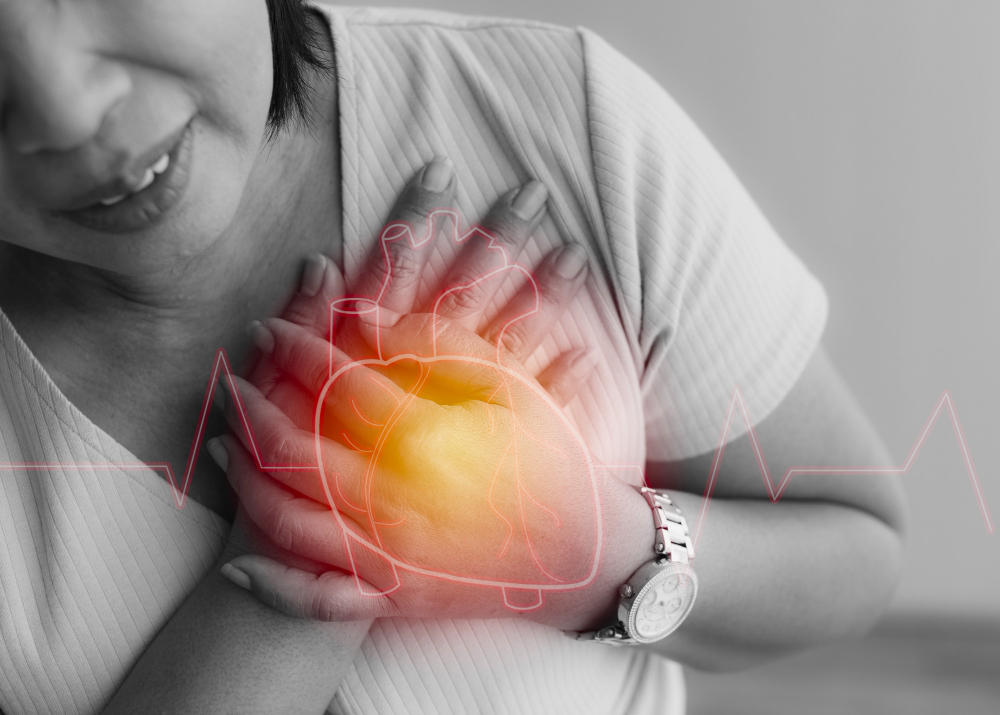
What is Heart Failure?
Heart failure is a condition where the heart cannot pump blood as well as it should. Because of this, the body does not get enough oxygen and nutrients. As a result, people may feel tired or short of breath. Heart failure is a serious health issue, but many people live well with the right care. According to the World Health Organization, heart failure affects millions worldwide. Early diagnosis and treatment can help improve quality of life.
Common Symptoms of Heart Failure
Heart failure symptoms can develop slowly or appear suddenly. For example, some people may notice mild signs at first. Others may feel very sick right away. Watch for these common symptoms:
However, not everyone will have all these symptoms. If you notice any of them, it is important to talk to your doctor.
Causes and Risk Factors
Many health problems can lead to heart failure. Most often, it happens after the heart has been damaged by another condition. For instance, these are common causes and risk factors:
Because some risk factors can be controlled, making healthy choices can help lower your risk.
How Heart Failure is Diagnosed
Doctors use several steps to diagnose heart failure. First, they ask about your symptoms and medical history. Next, they perform a physical exam. After that, they may order tests to check how well your heart works. Common tests include:
Because early diagnosis is key, see your doctor if you have symptoms. Many people ask, “How is heart failure diagnosed?” These tests help doctors find the cause and plan treatment.
Treatment Options for Heart Failure
Heart failure treatment options depend on the cause and severity. Usually, doctors use a mix of medicines, lifestyle changes, and sometimes procedures. Common treatments include:
In some cases, advanced treatments like heart pumps or a heart transplant may be needed. However, most people manage heart failure with medicines and healthy habits. Always follow your doctor’s advice for the best results.
Lifestyle Tips and Prevention
Even though heart failure is serious, you can take steps to feel better and prevent problems. For example, these tips can help:
Because prevention is important, regular check-ups can catch problems early. Many people ask about preventing heart failure. Healthy habits make a big difference.
When to See a Doctor
If you notice new or worsening symptoms, see a doctor right away. For instance, sudden shortness of breath, chest pain, or fainting are emergencies. Even mild symptoms should not be ignored. Early care can prevent serious problems. If you live in a city with heart failure care centers, seek help nearby. Remember, your doctor can help you manage heart failure and improve your quality of life.
Consult a cardiologist for personalized advice on heart failure management.